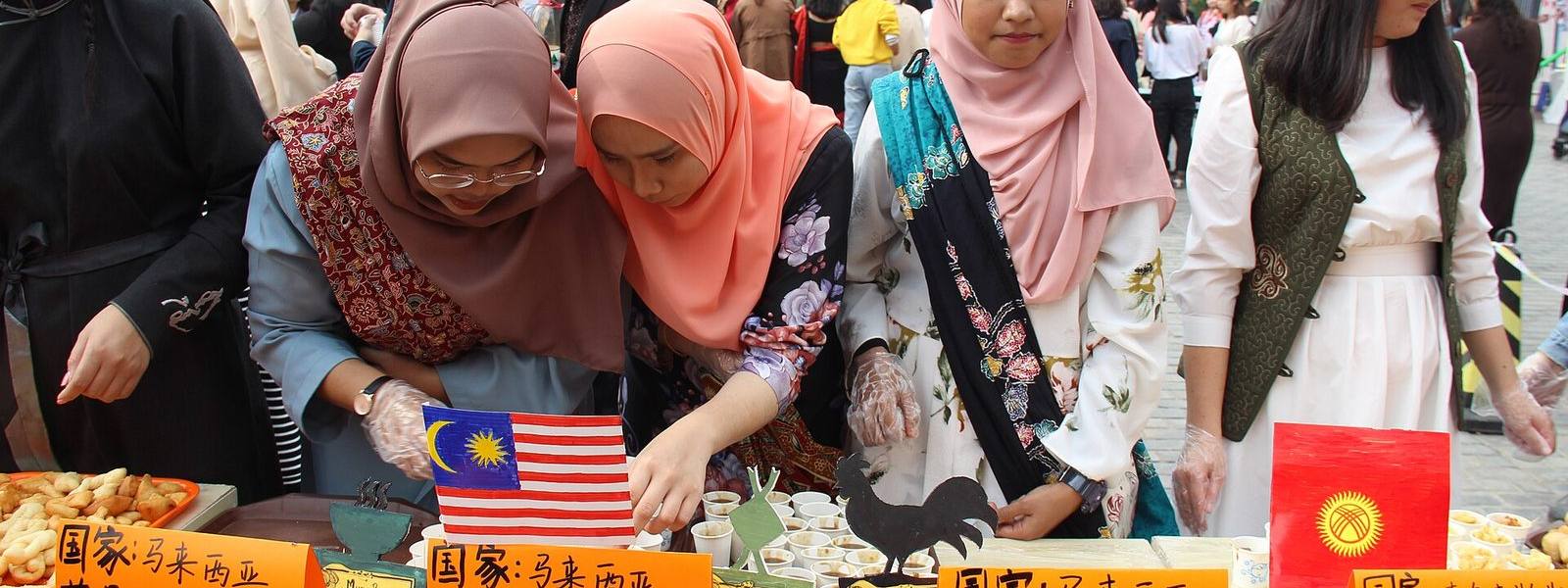
Can international students wear a hijab at Chinese universities?
Yes. China's constitution protects freedom of religious belief, and universities do not require students to change how they dress or how they practise. Students wear the hijab on campus, and religious practice is treated as a personal matter — there is no campus rule that singles out religious dress and no requirement to declare your religion. What varies is practical, not legal: prayer rooms and halal food depend on the campus, and you may meet classmates who have never seen a hijab before and ask curious questions. Confirm the practical side before you enrol.
The position on campus
- Freedom of religious belief is protected by China's constitution, and universities do not impose rules on religious dress.
- You do not need permission to wear a hijab, and you do not have to declare your religion when you enrol.
- Religious practice is treated as personal: nobody at the university is responsible for supervising whether you pray or fast.
- Universities with students from the Middle East, Central Asia, Africa, Malaysia and Indonesia are used to hijab-wearing students, and Muslim student communities exist on many campuses.
About face covering and identity checks
- Some public settings verify identity: airports, banks, railway stations and a few government services. Staff may ask you to uncover your face briefly for the check.
- This is a general security procedure that applies to everyone, not a rule aimed at religious dress.
- In practice this means carrying your passport or student ID and being ready to show your face for a few seconds when asked.
What daily student life is actually like
- Hijab is normal on campus, and most classmates treat it as unremarkable; curiosity, if it appears, is usually friendly and easy to answer.
- If you would like to be introduced to other Muslim students, the international students office can usually connect you, and city mosques are a reliable point of contact.
- Faculty and dormitory staff deal with practical questions — schedules, meals, rooms — rather than with religious practice.
Prayer, Friday prayer and Ramadan
- Many campuses have a prayer room and most cities have at least one mosque; distance from campus is the practical thing to check.
- Ask whether any laboratory, clinical rotation or training session is scheduled on Friday afternoons, and whether it can be arranged differently.
- During Ramadan, tell your programme or dormitory if you need meals outside normal canteen hours or a lighter schedule on exam days.
What to confirm before you accept an offer
- Is there a prayer room on the campus where my programme is taught?
- Is there a halal canteen or halal window on that campus?
- How far is the nearest mosque and the nearest halal grocery?
- If something is unclear, contact the international students office — they handle student welfare and are the right people to ask.
Common questions
Is wearing a hijab allowed at Chinese universities?
Yes. There is no rule against religious dress on campus, and no permission is needed. Freedom of religious belief is protected by China's constitution.
What about covering my face?
That is a personal choice. Where identity verification takes place — airports, banks, some public services — staff may ask you to show your face briefly, which applies to everyone regardless of religion.
Do I have to declare my religion when I enrol?
No. If you mention it at all, it is usually just to ask about prayer space, halal food or Ramadan arrangements, which university staff handle as ordinary student welfare questions.
Can I fast during Ramadan?
Yes. Religious practice is personal and universities do not interfere. Tell your programme or dormitory if you need meals outside canteen hours or adjustments on exam or laboratory days.
Will staff or classmates treat me differently?
At universities with international students, hijab-wearing students are common. Curiosity is possible, but the everyday issues students actually report are about facilities and schedules, not about being prevented from practising.
Research first, then verify at the source
VisChat is an independent information and data site. Compare programmes here, then use current university and government pages to confirm the details that apply to you.