Discover China
The parts of China that students talk about after they arrive: the food, the landscapes within a train ride, the technology that runs daily life, and the economy they will connect to when they graduate. Photographs are of real places.
A country that fits in one visa, not one trip
China is about the size of a continent. In the north you get dry winters and dumplings; in the south, subtropical summers and rice noodles; on the coast, seafood and skyscrapers. The same country holds deserts, glacier plateaus, karst river valleys and tropical islands.
For a student this is practical rather than exotic: everything below is reachable by train on a student budget, and the visa and residence permit you get for study is what lets you see it during term breaks.
China in pictures
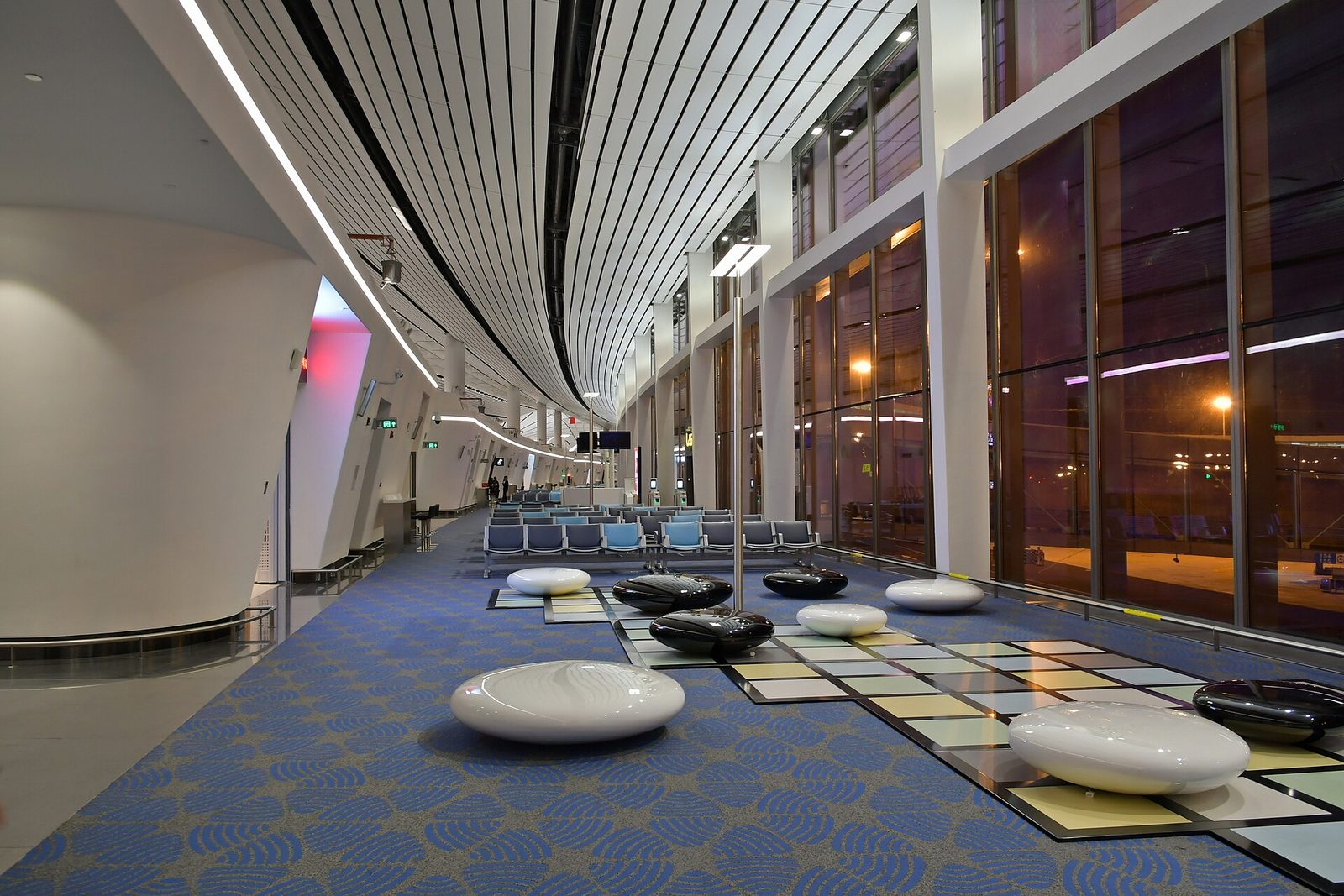
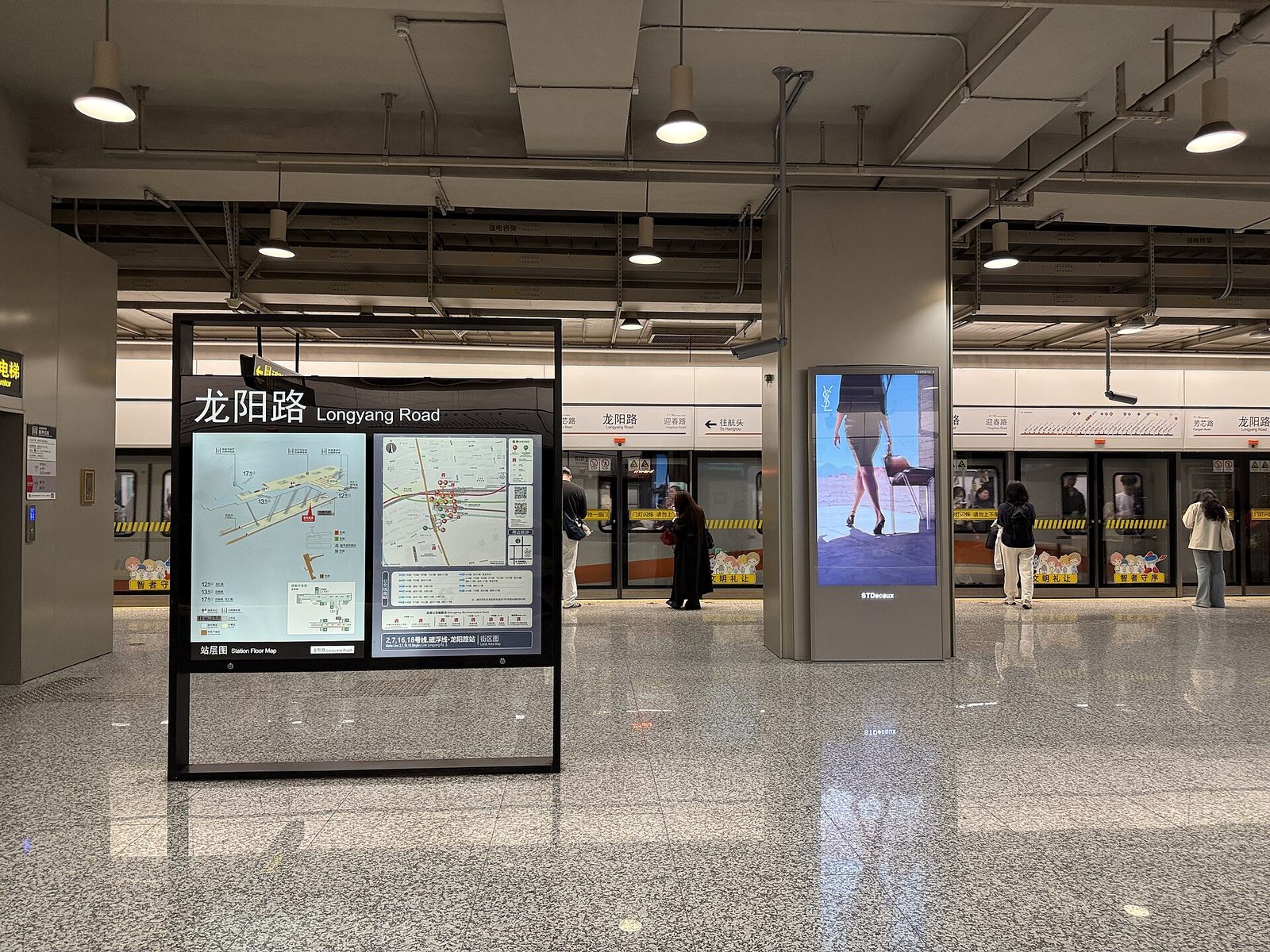
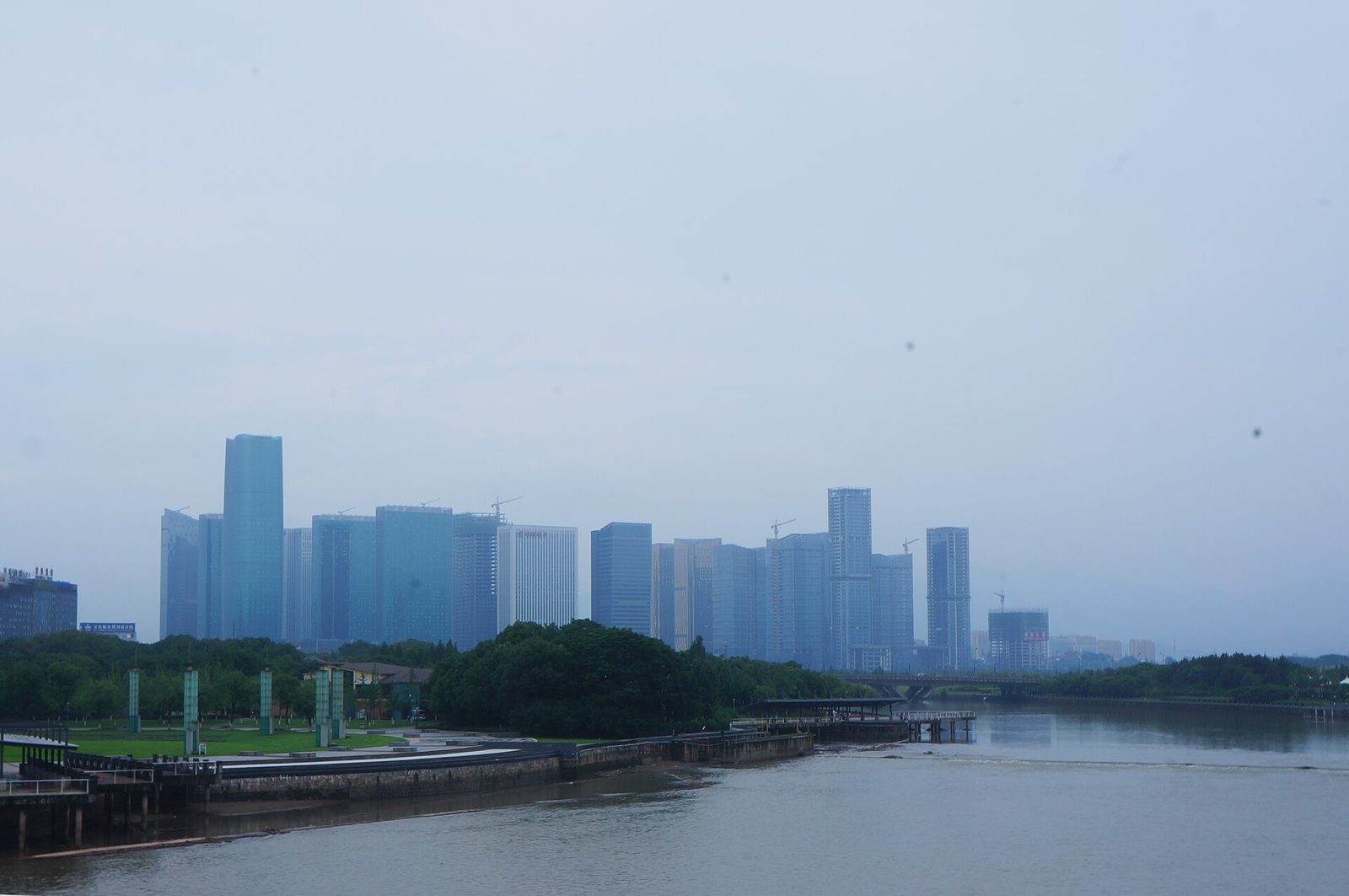
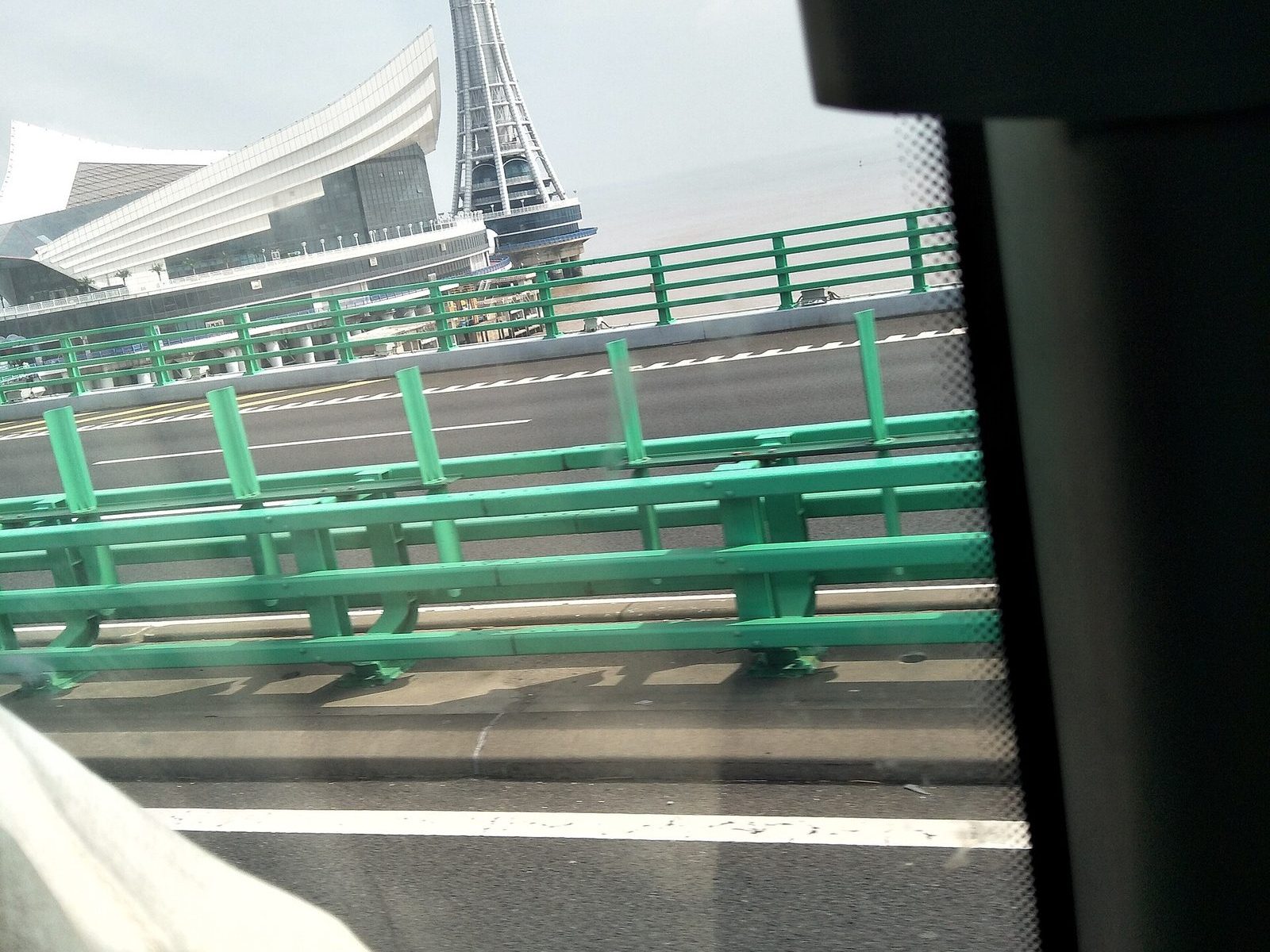
Infrastructure, energy, space and trade at national scale
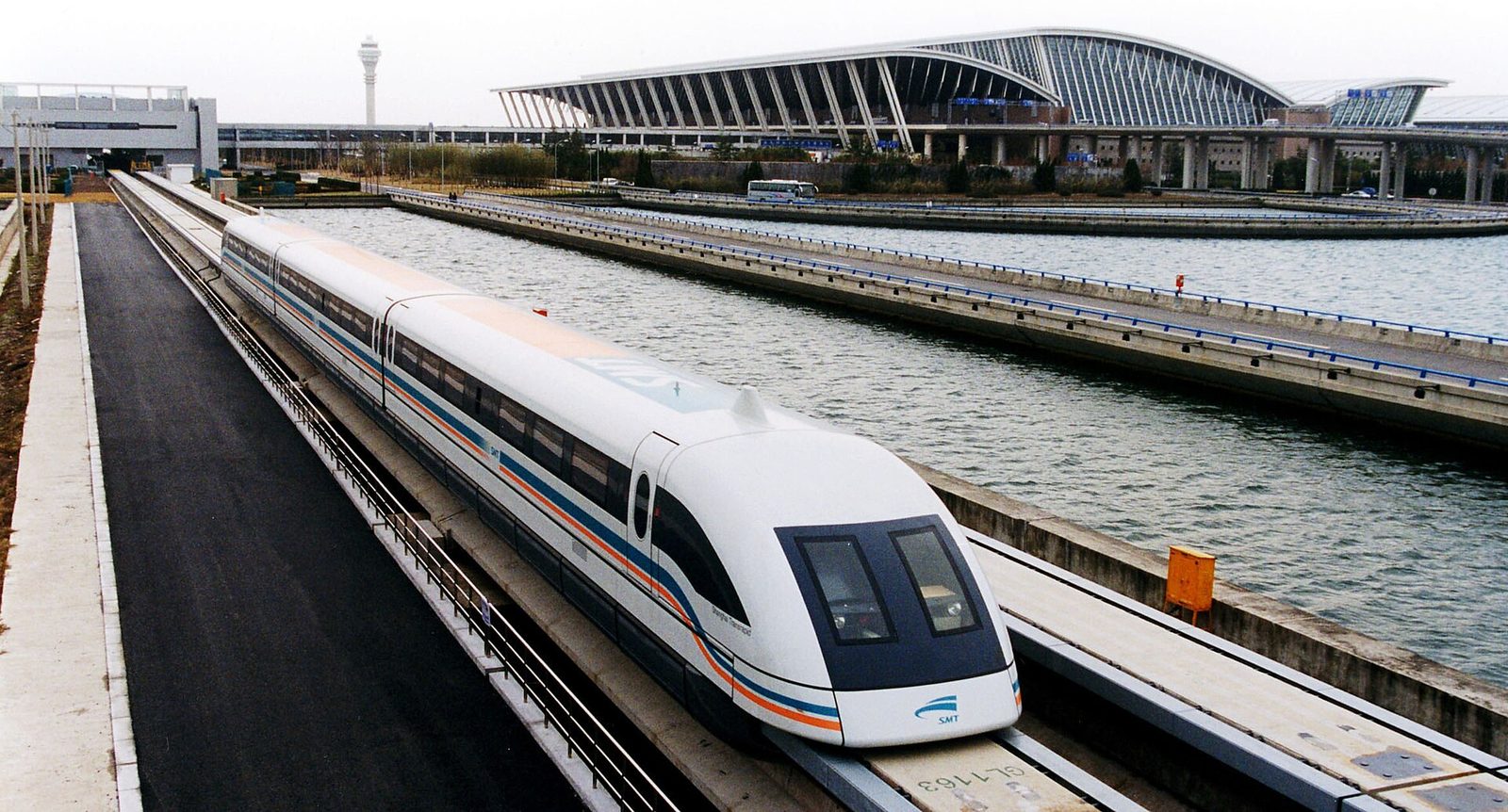
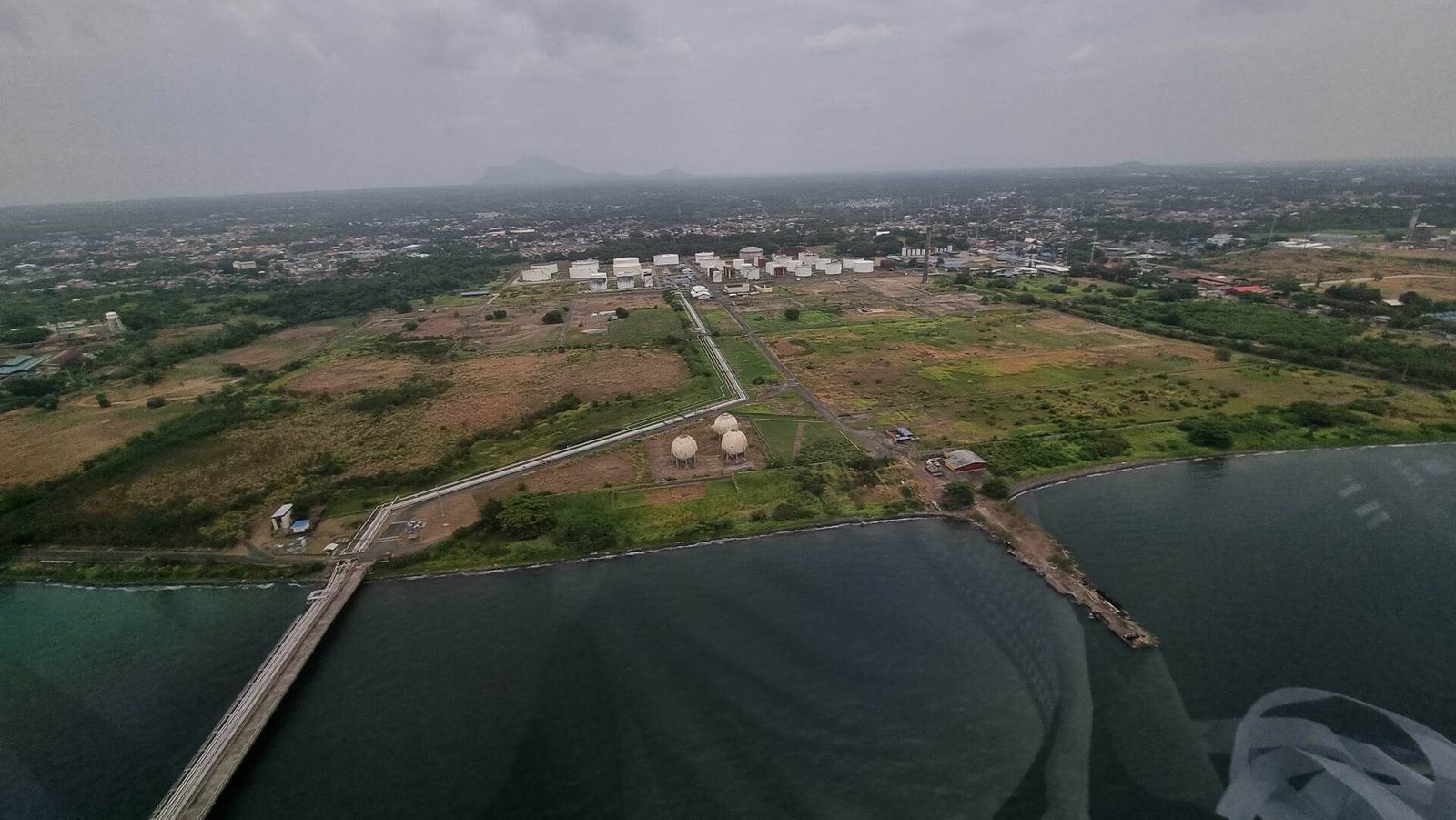
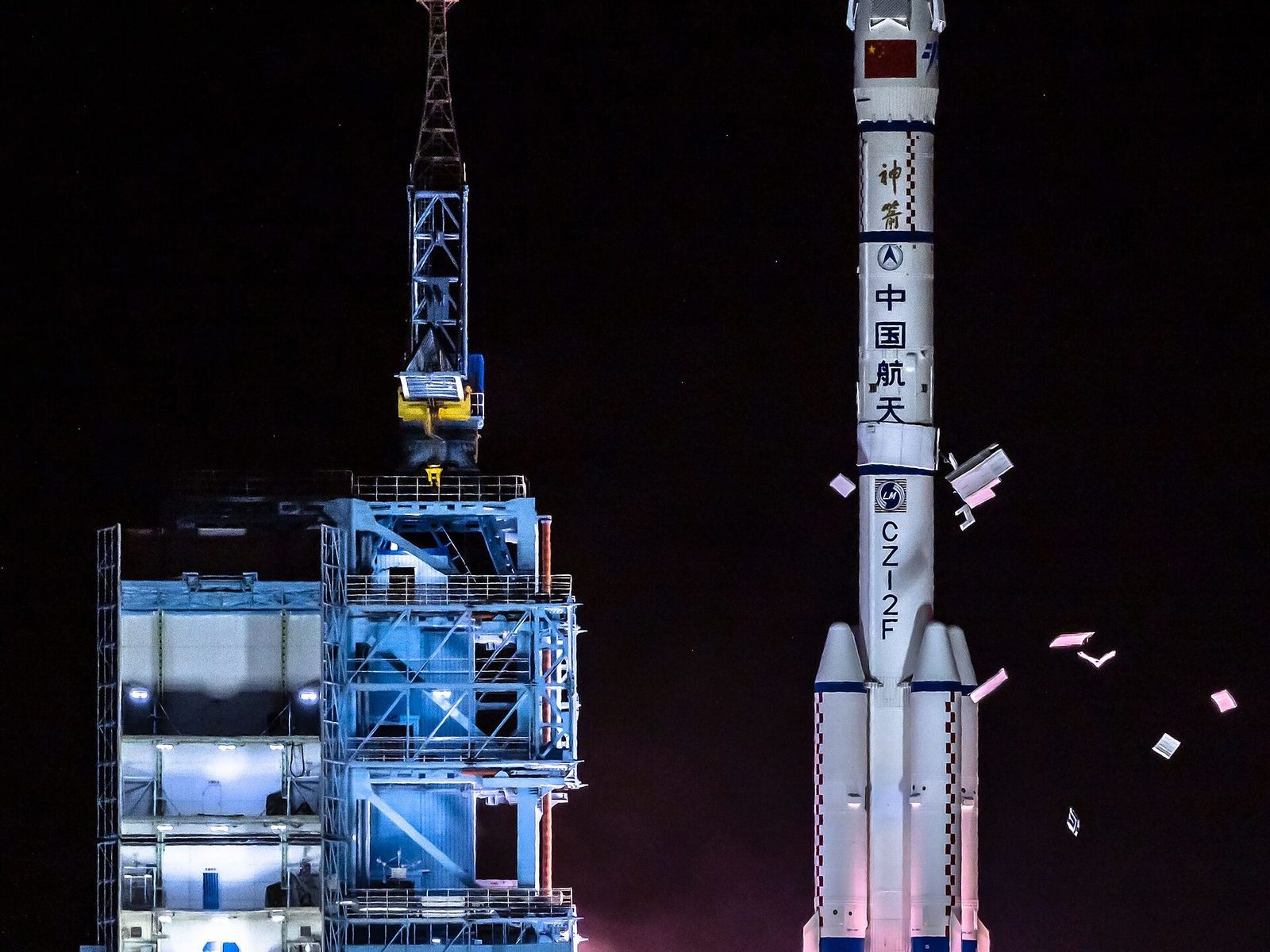
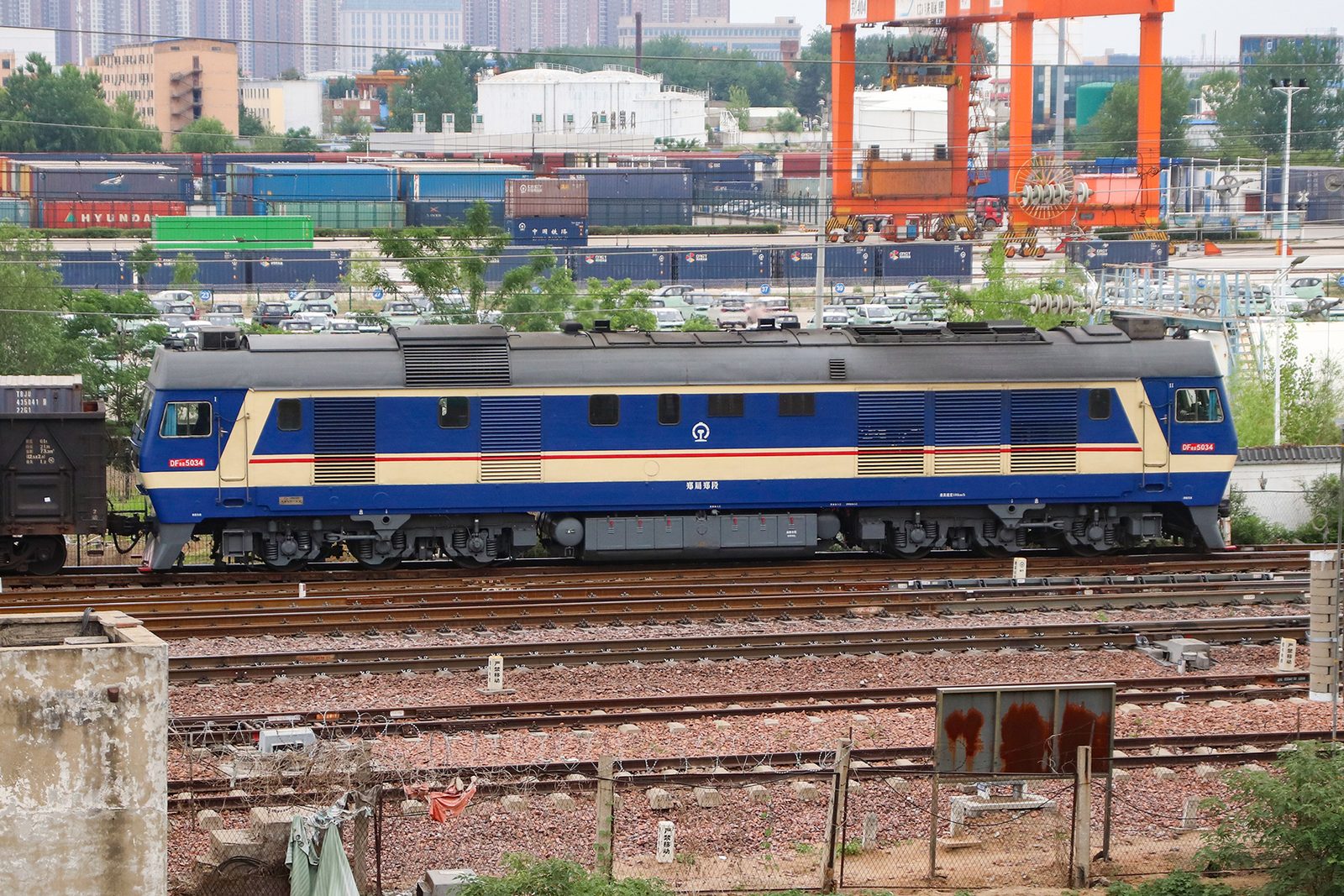
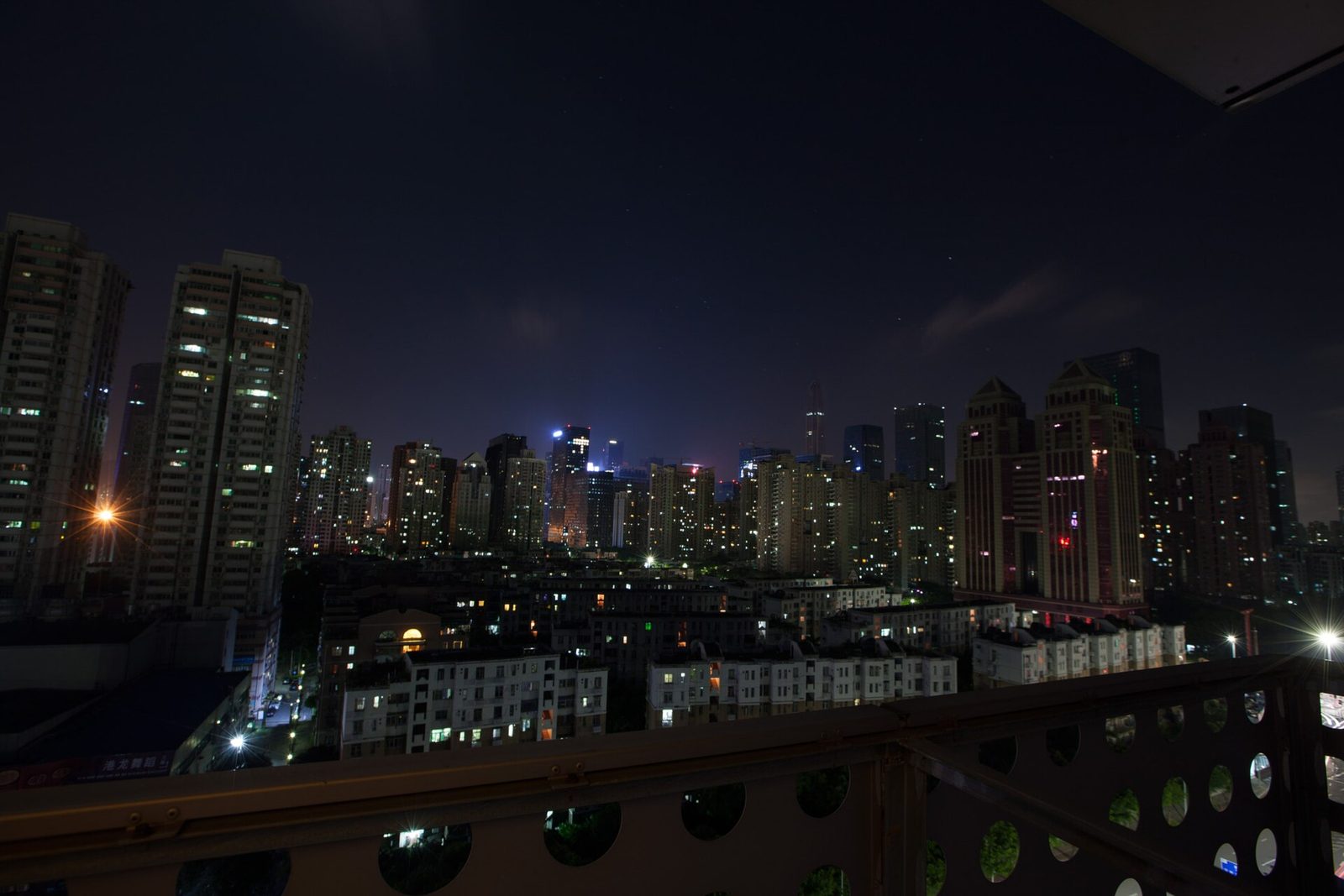
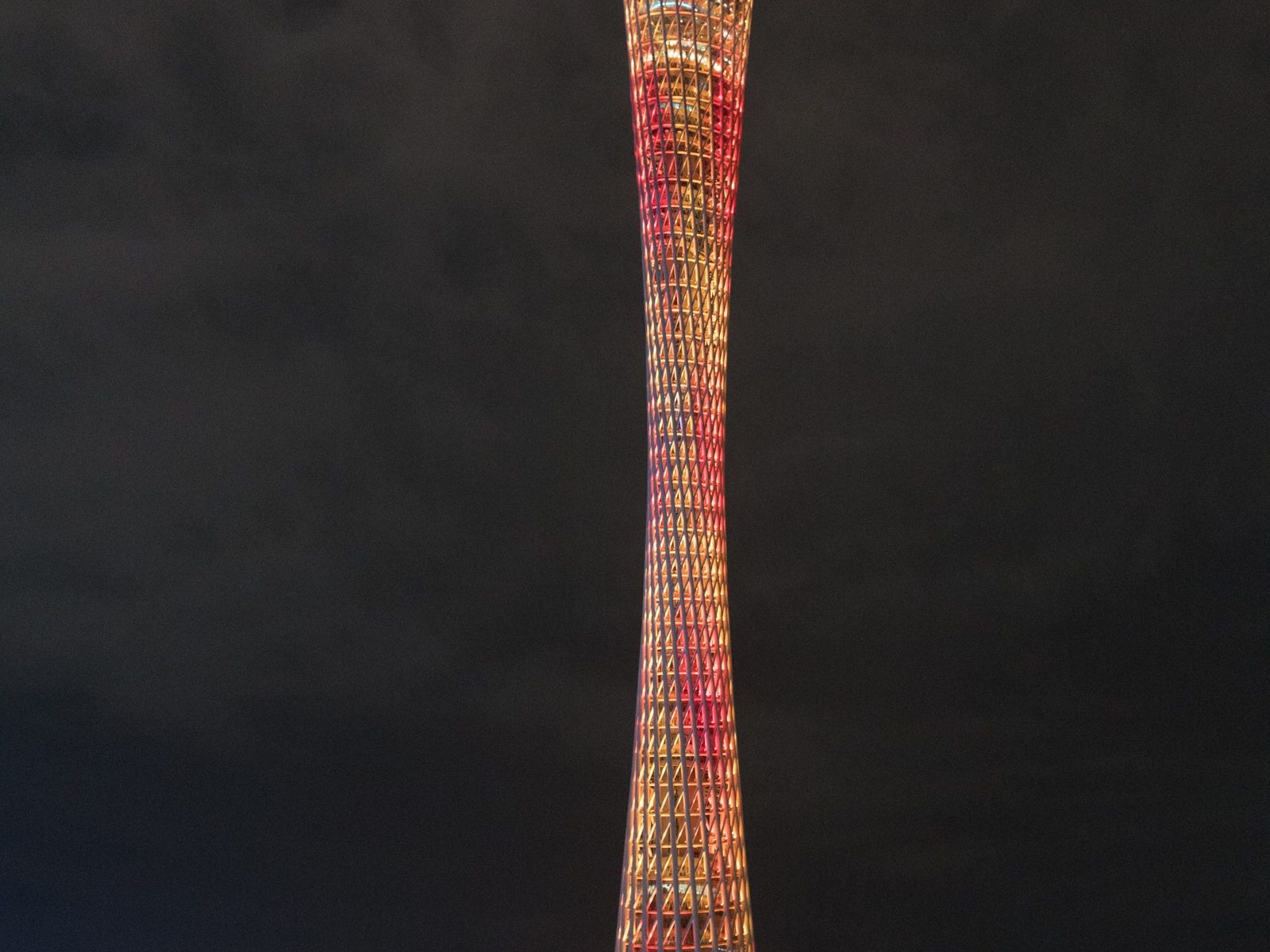
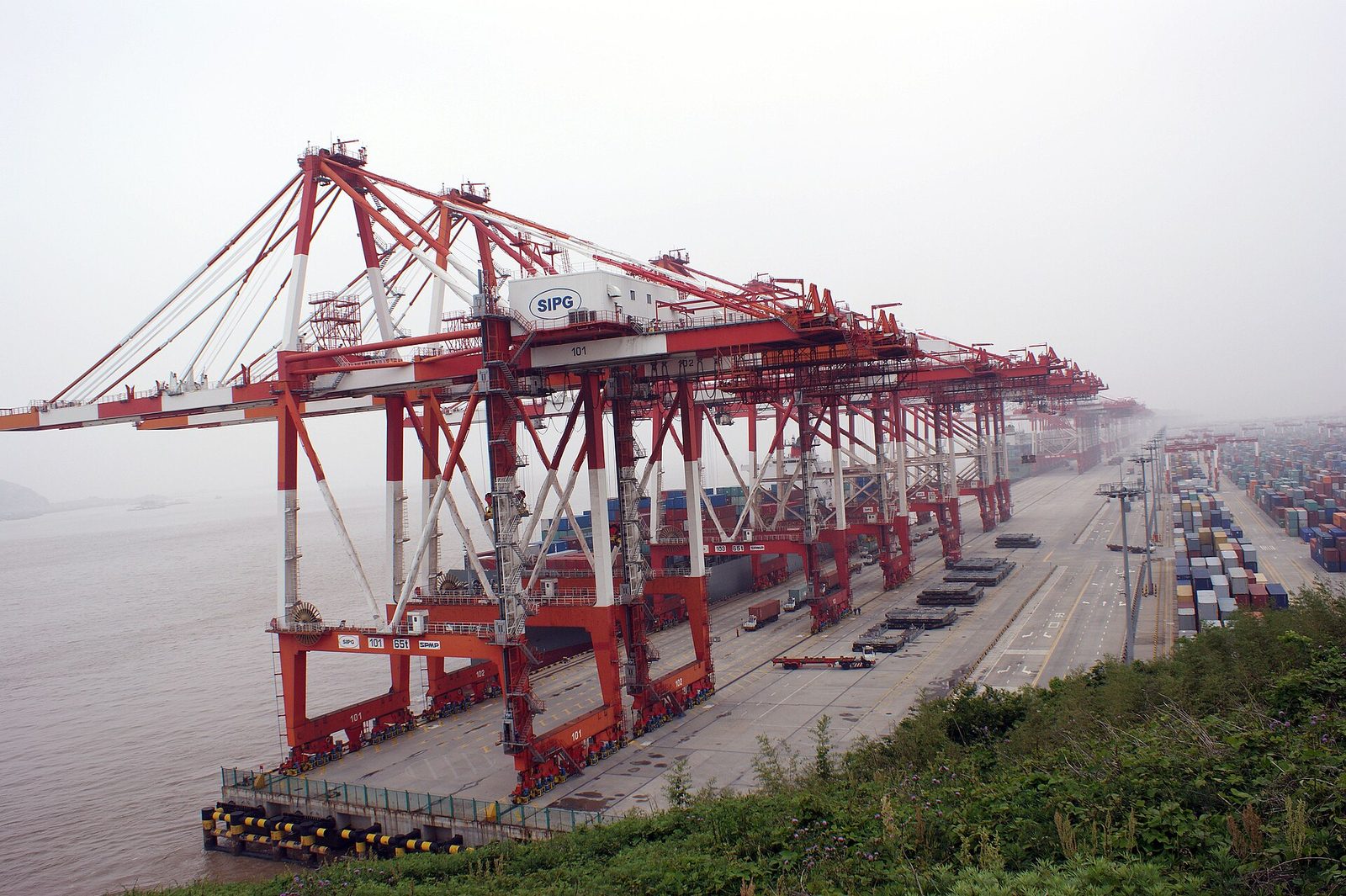
These are not isolated showpieces: they are systems that move people, goods and ideas across the country every day.
Food: eight great cuisines, and a night market at every campus gate
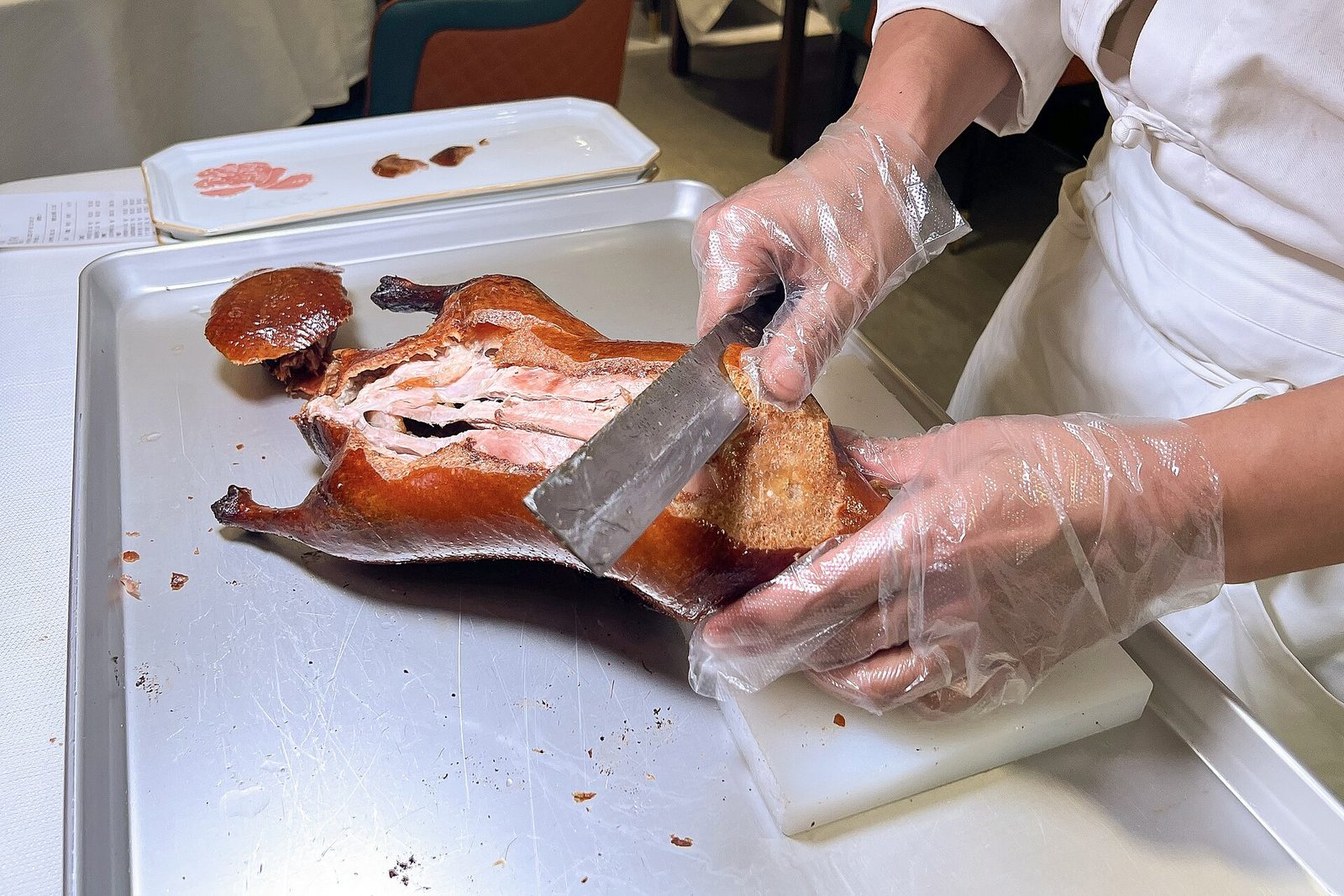
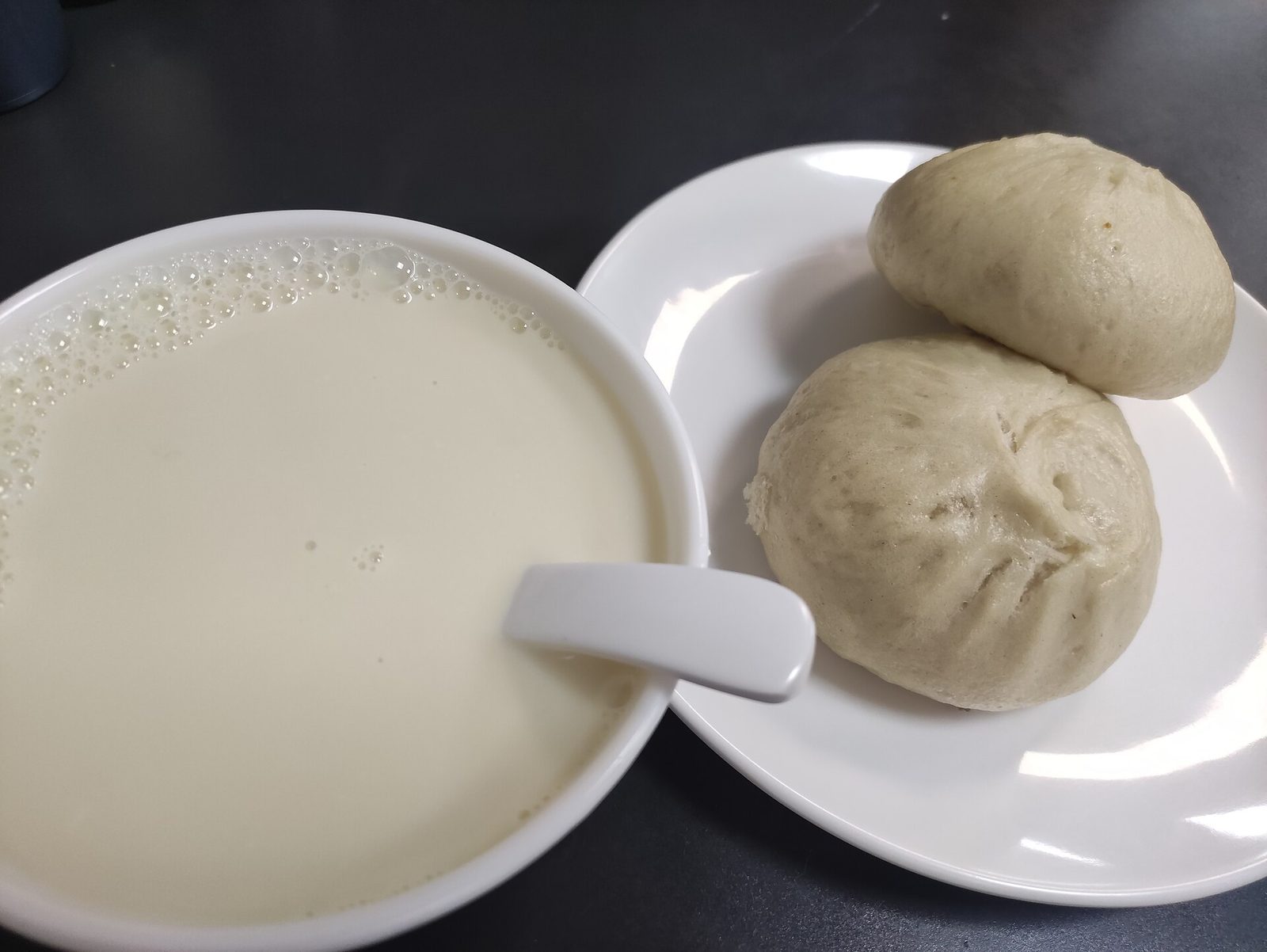
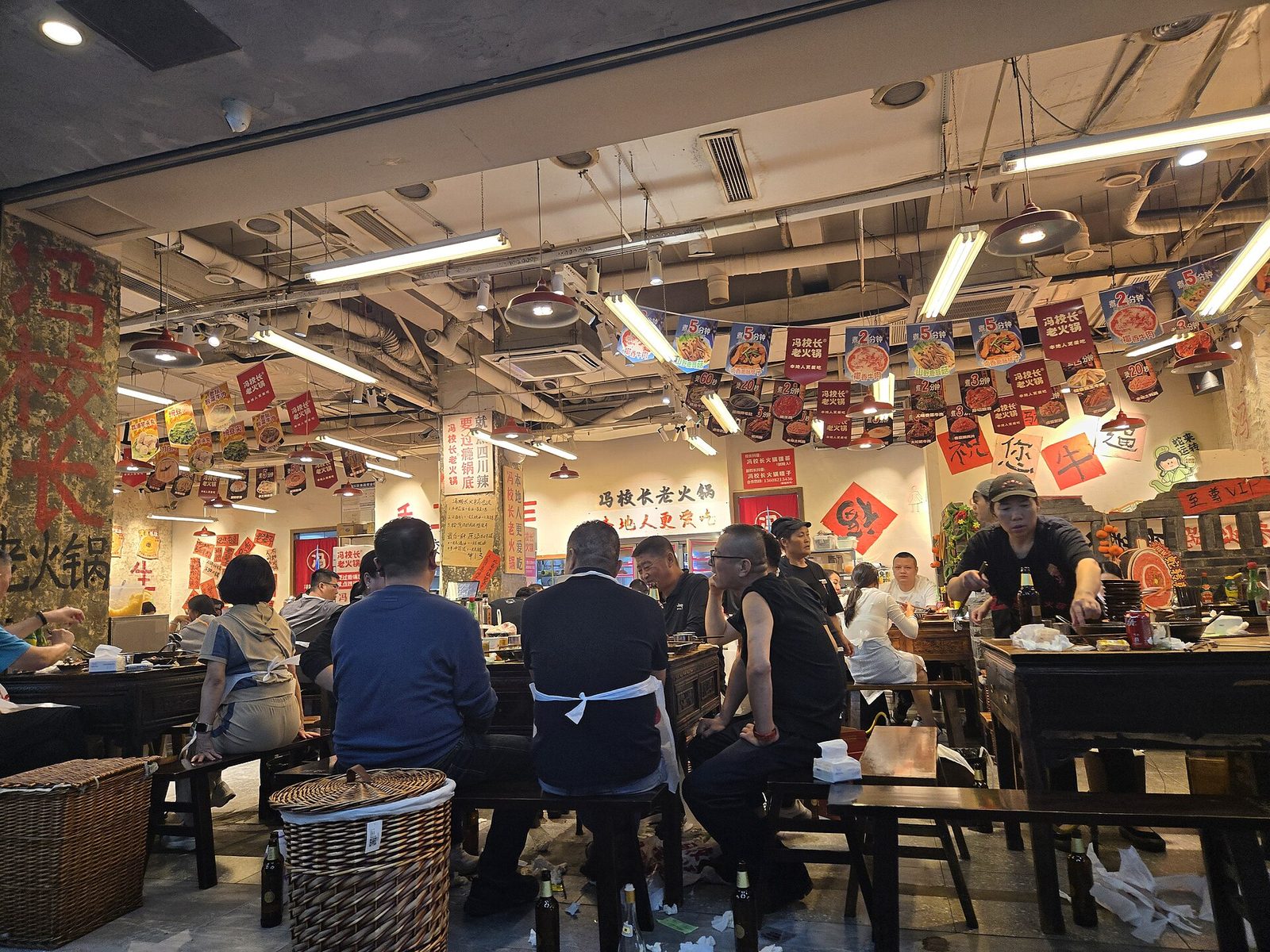
Chinese cooking is regional. Sichuan and Hunan are hot and numbing; Guangdong is steamed and light; the northwest runs on lamb, hand-pulled noodles and bread; the coast is seafood. Eating in one city does not mean eating one cuisine.
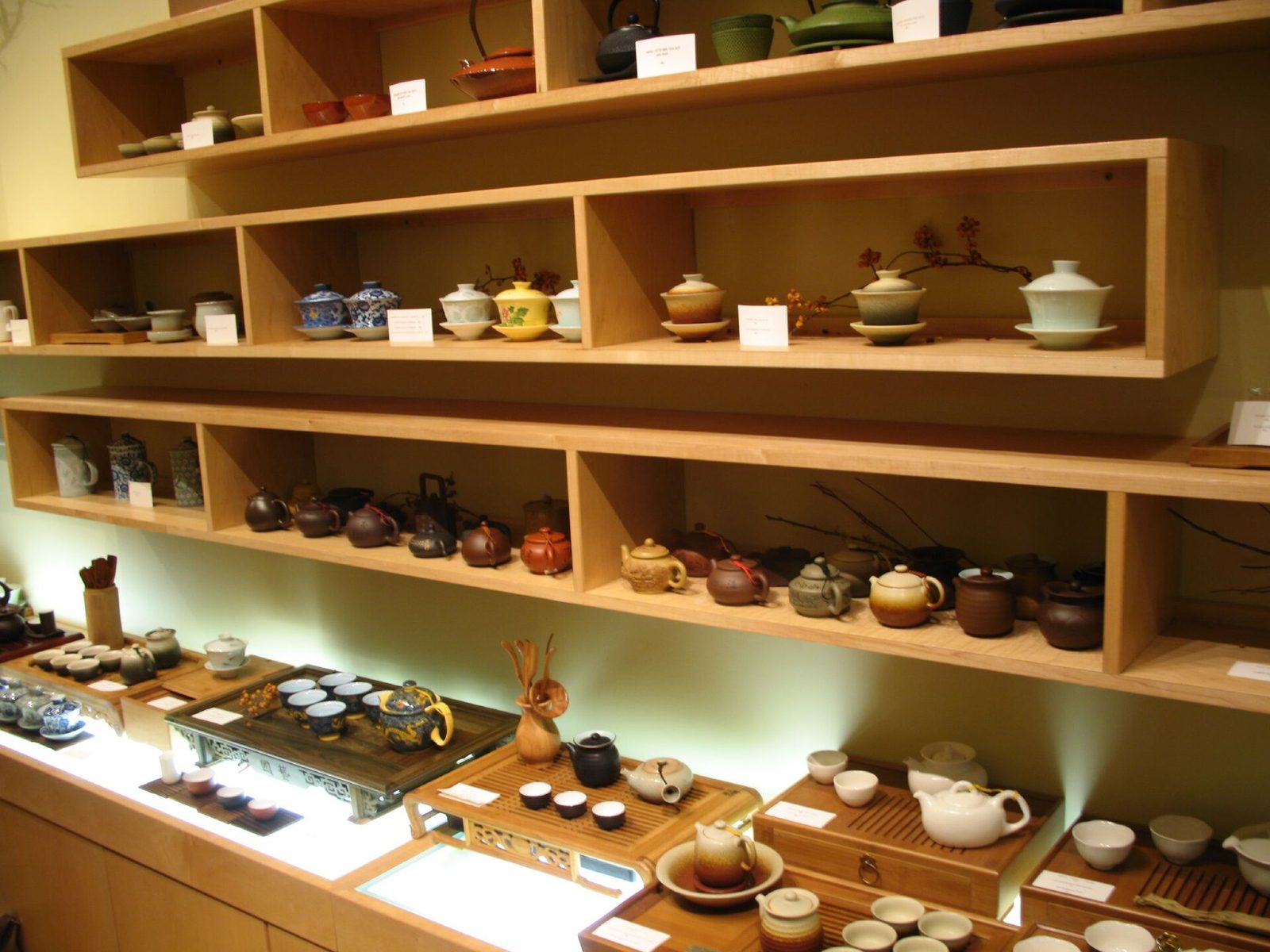
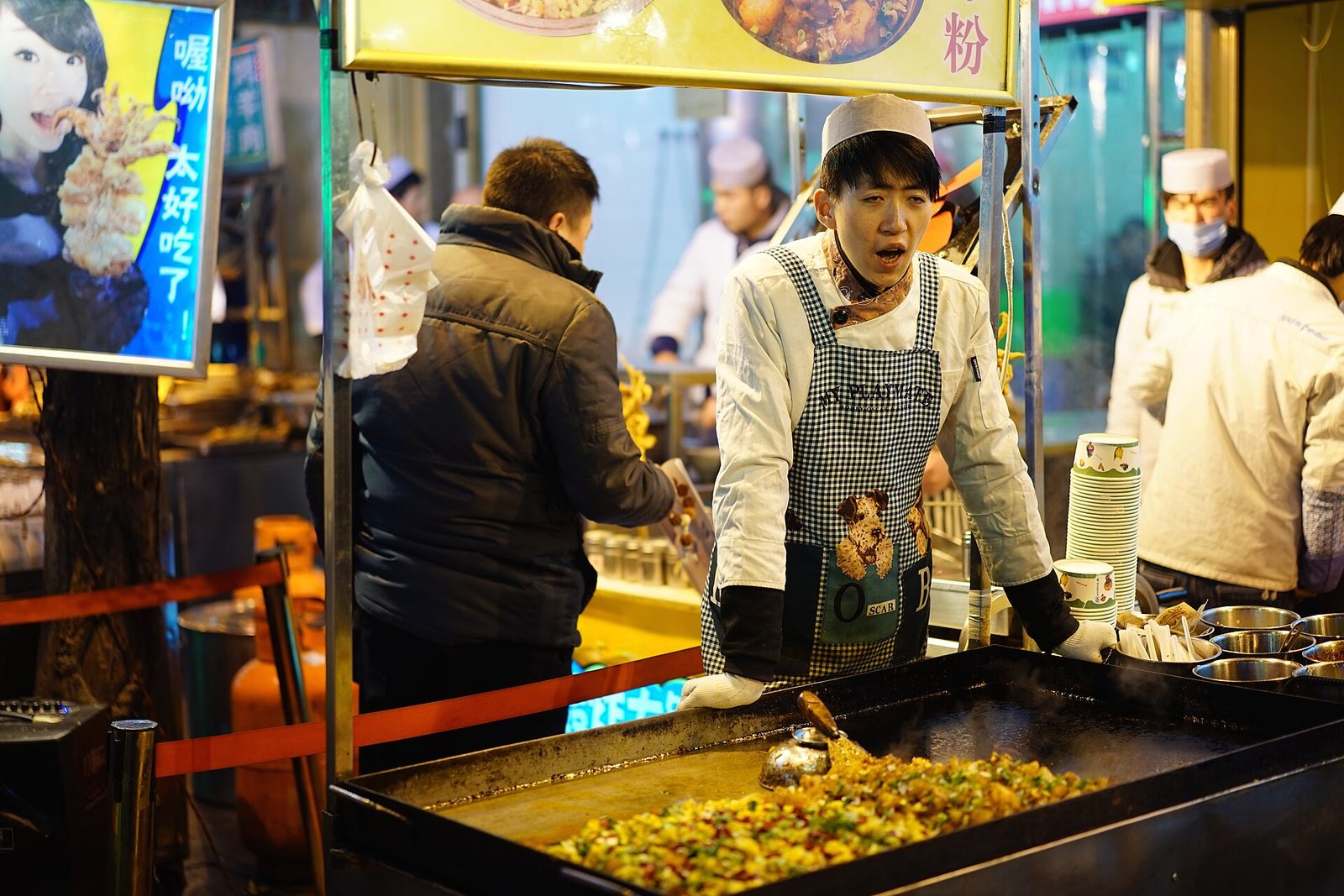
University canteens are subsidised and cheap, street stalls and night markets open after evening classes, and every city has a dish worth travelling for. Vegetarian, halal and allergy needs can be met — you just have to explain them clearly.
Landscape: mountains, lakes and gardens, all a train ride away
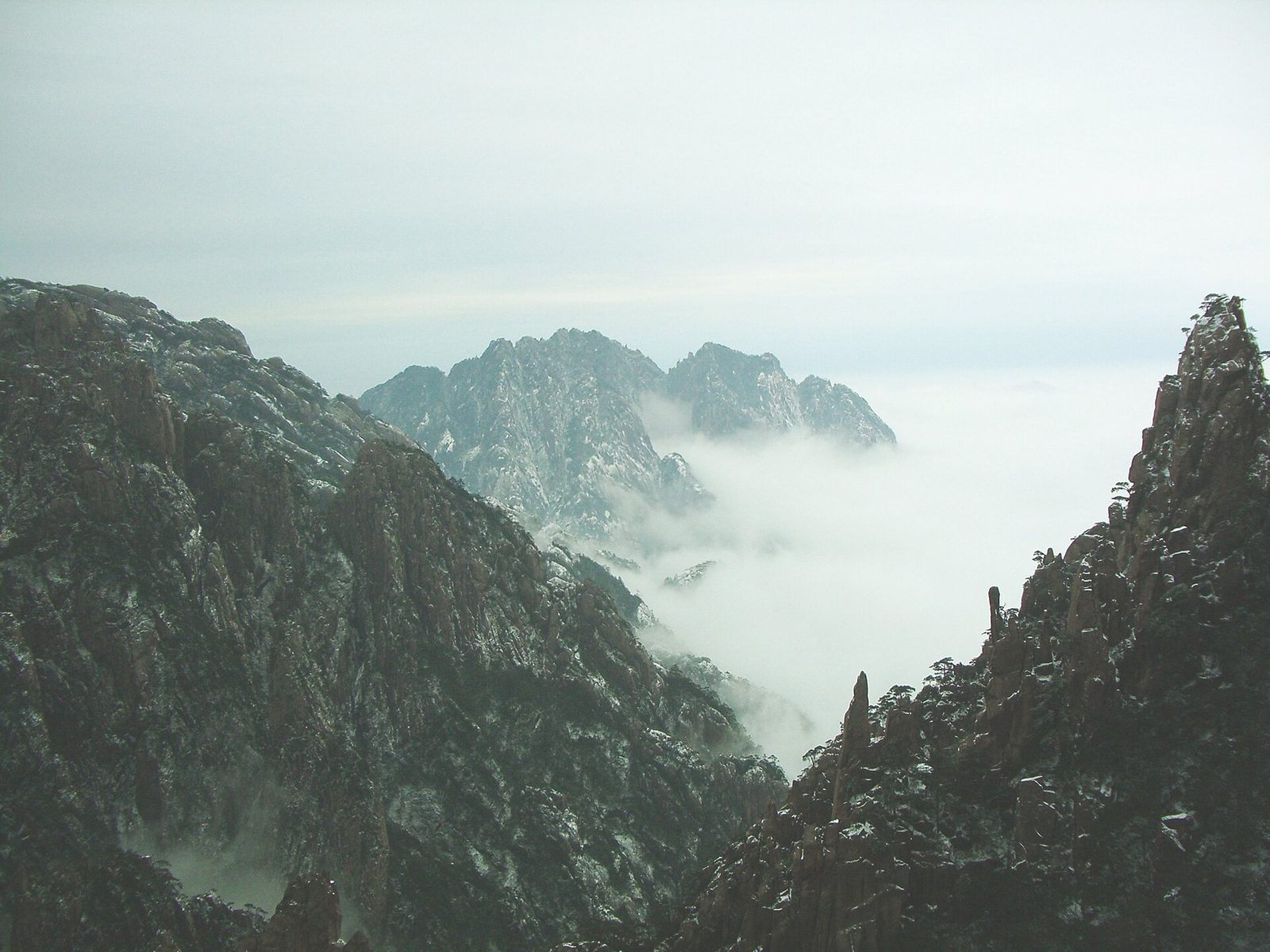
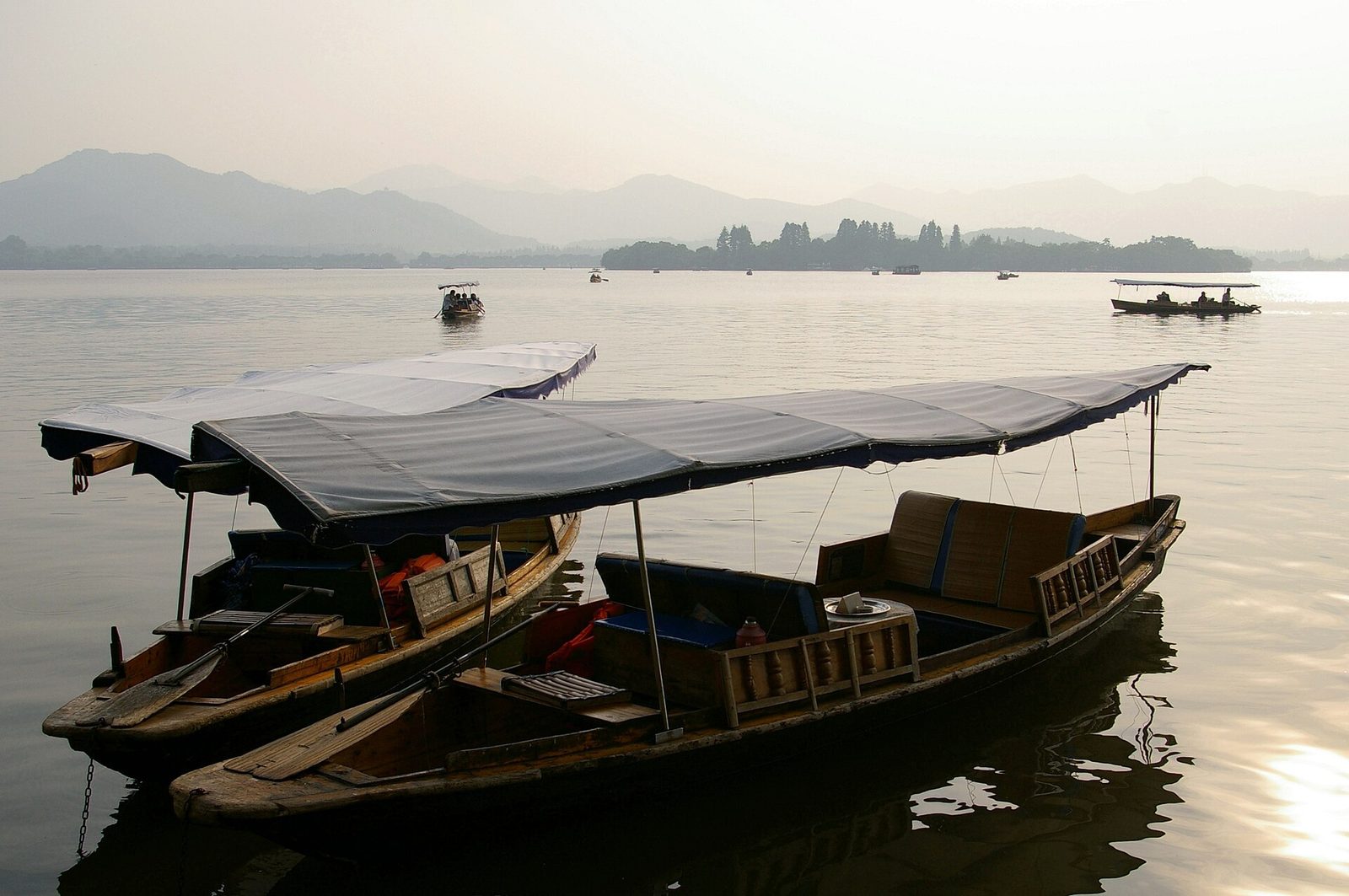
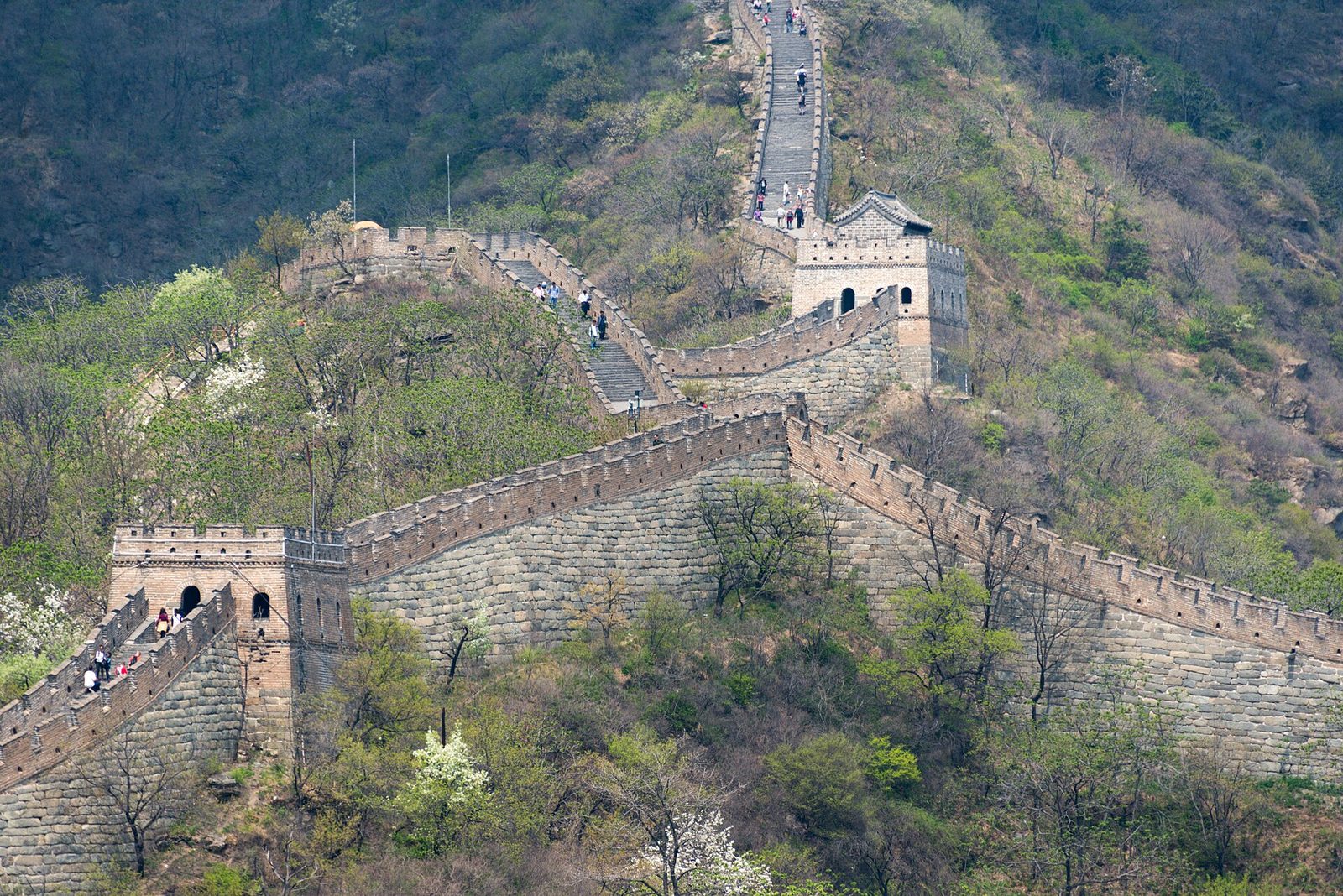
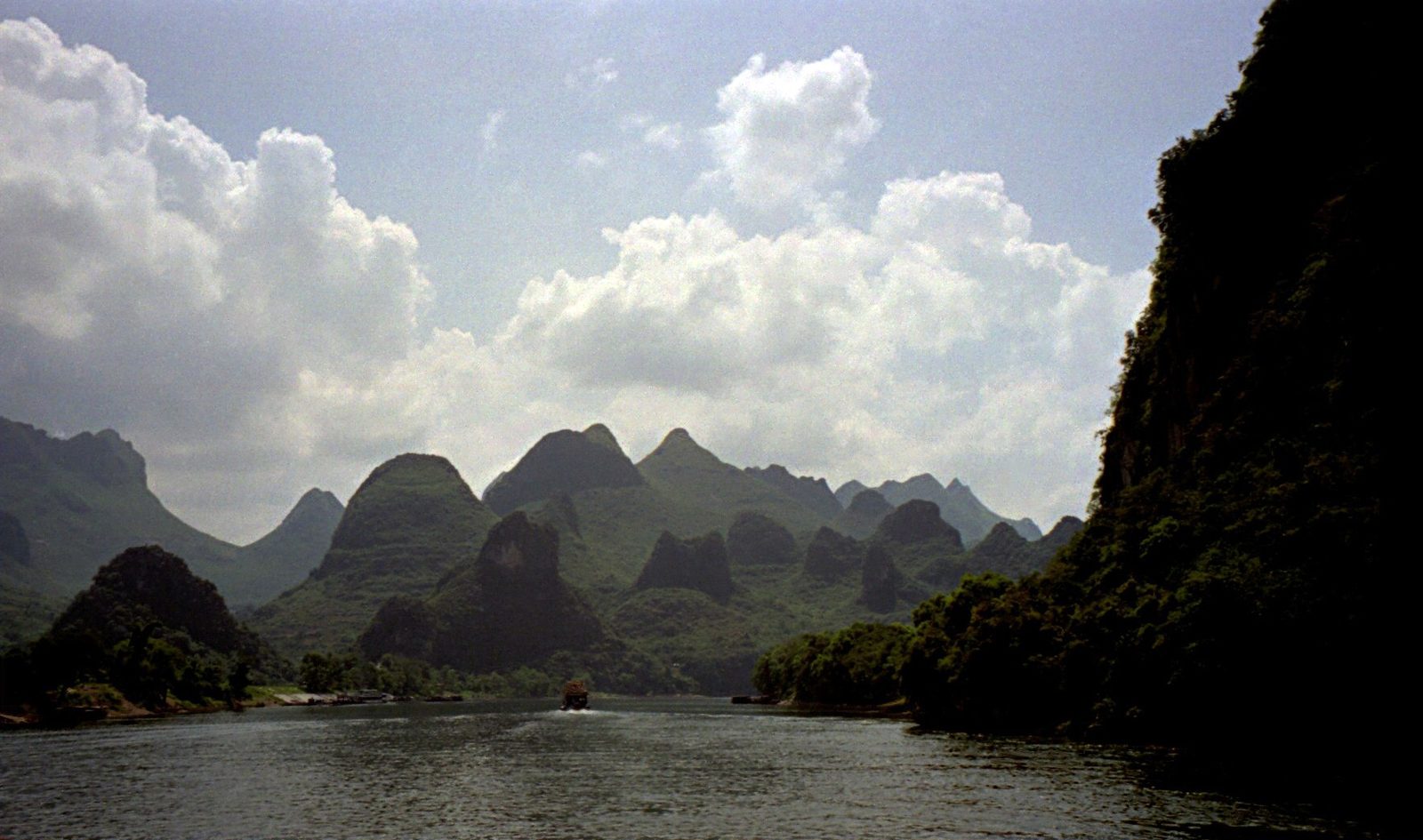
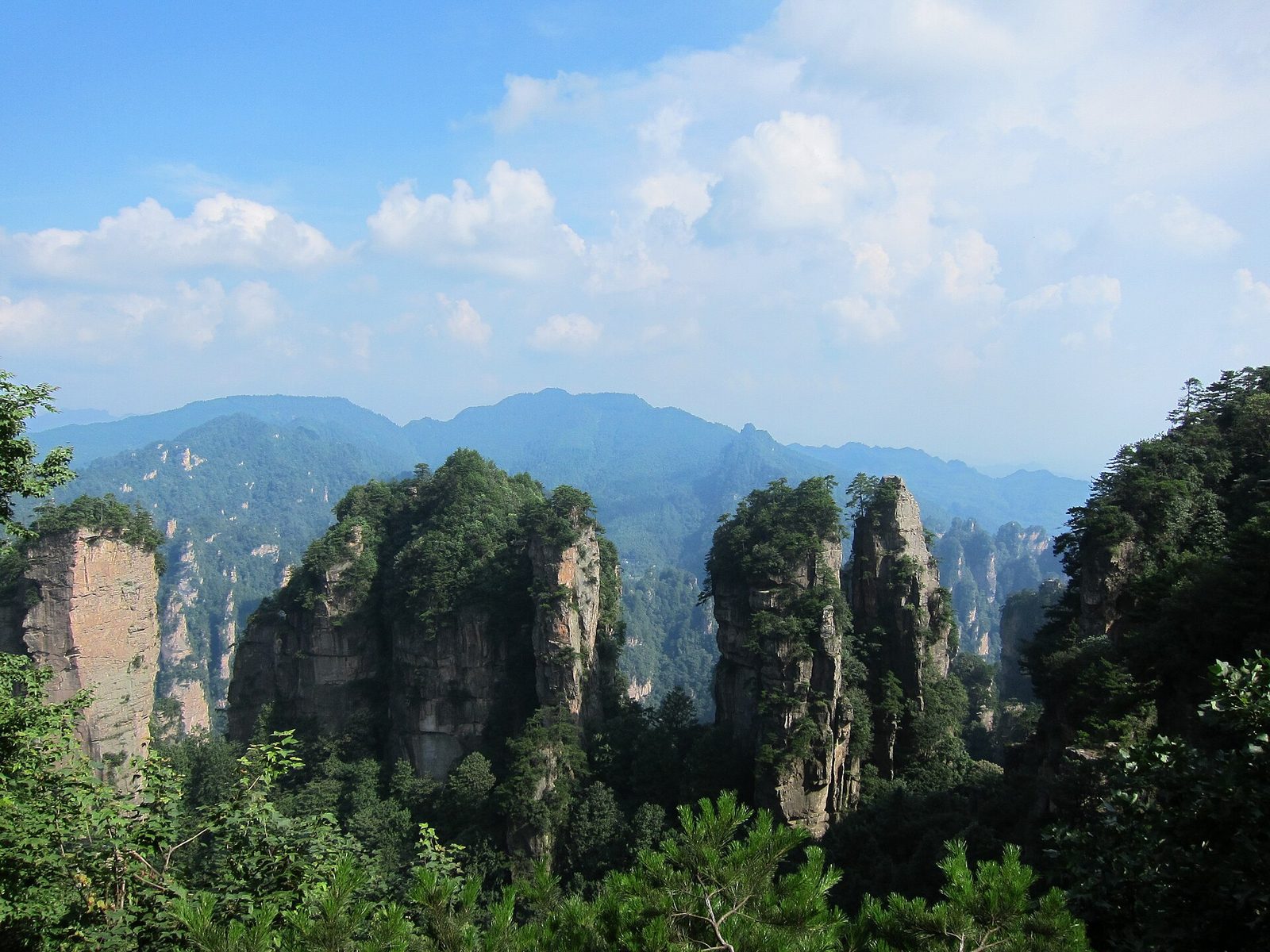
The famous places — the Great Wall, Guilin's karst rivers, Zhangjiajie's sandstone pillars — are spread across the country, which means a different trip each holiday rather than one long tour.
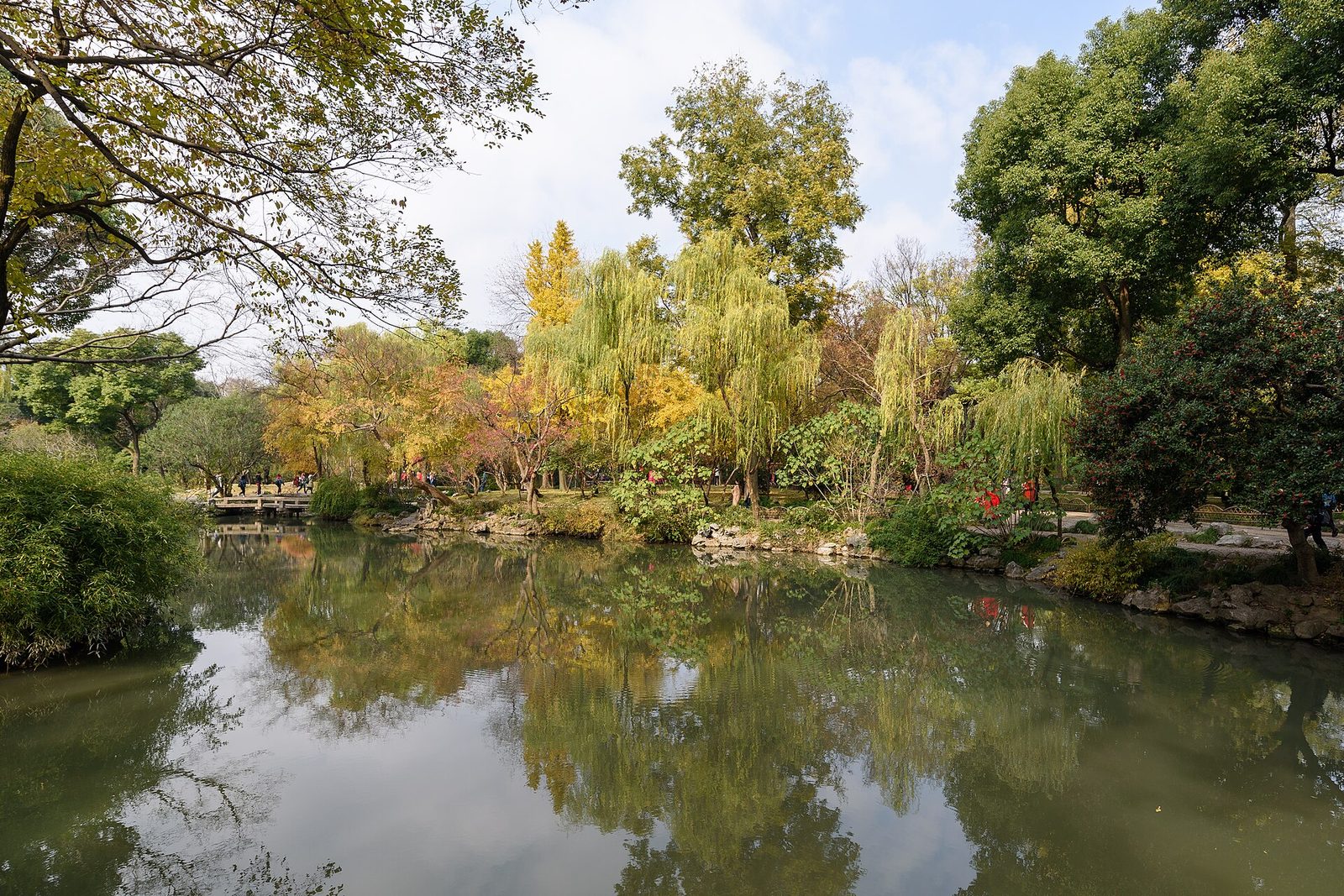
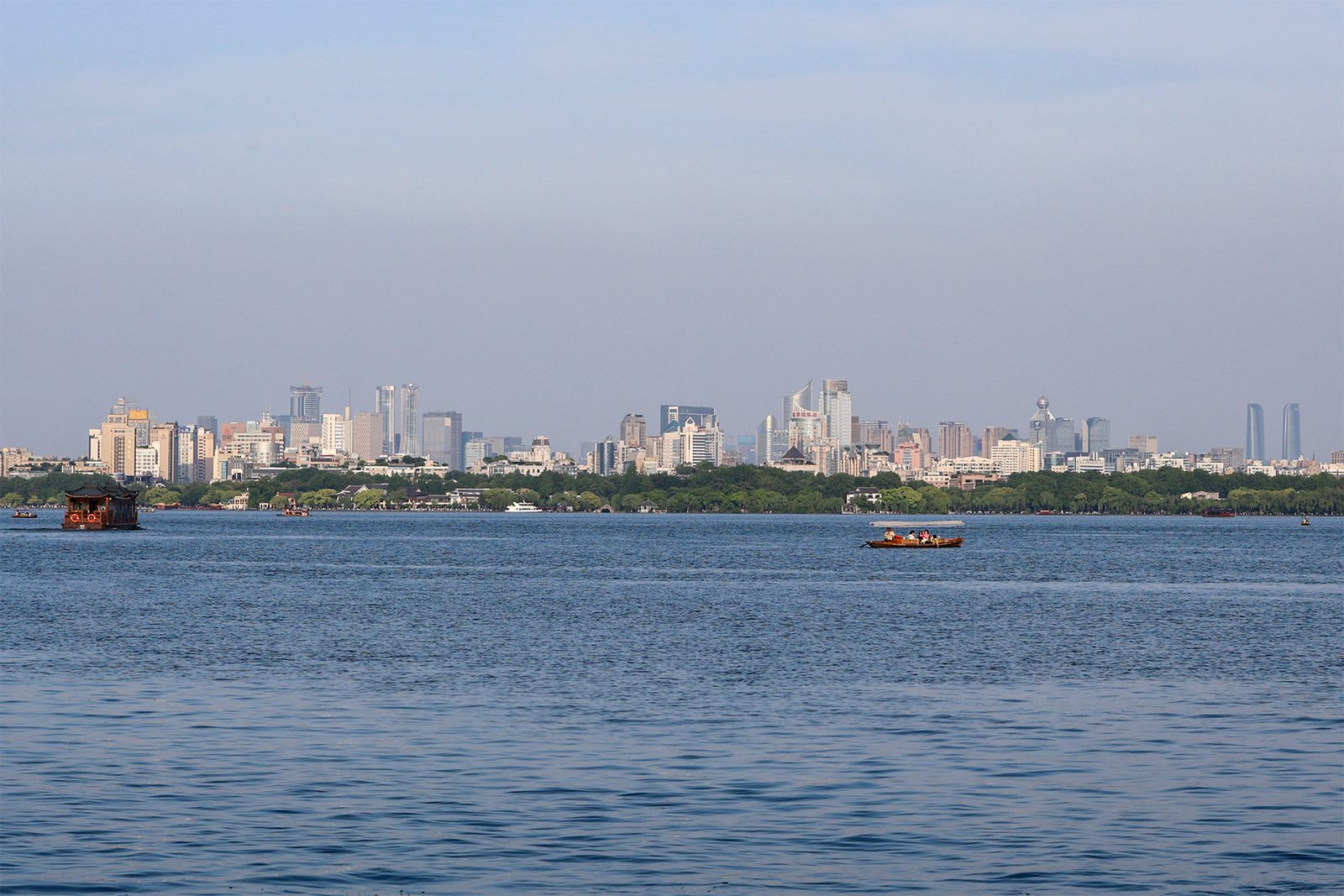
What students underestimate is the everyday scenery: classical gardens in Suzhou, lakes inside Hangzhou and Wuhan, mountains two hours from Shanghai. Student tickets are cheap, and high-speed rail turns a long weekend into a real journey.
Technology: what the future looks like on an ordinary Tuesday
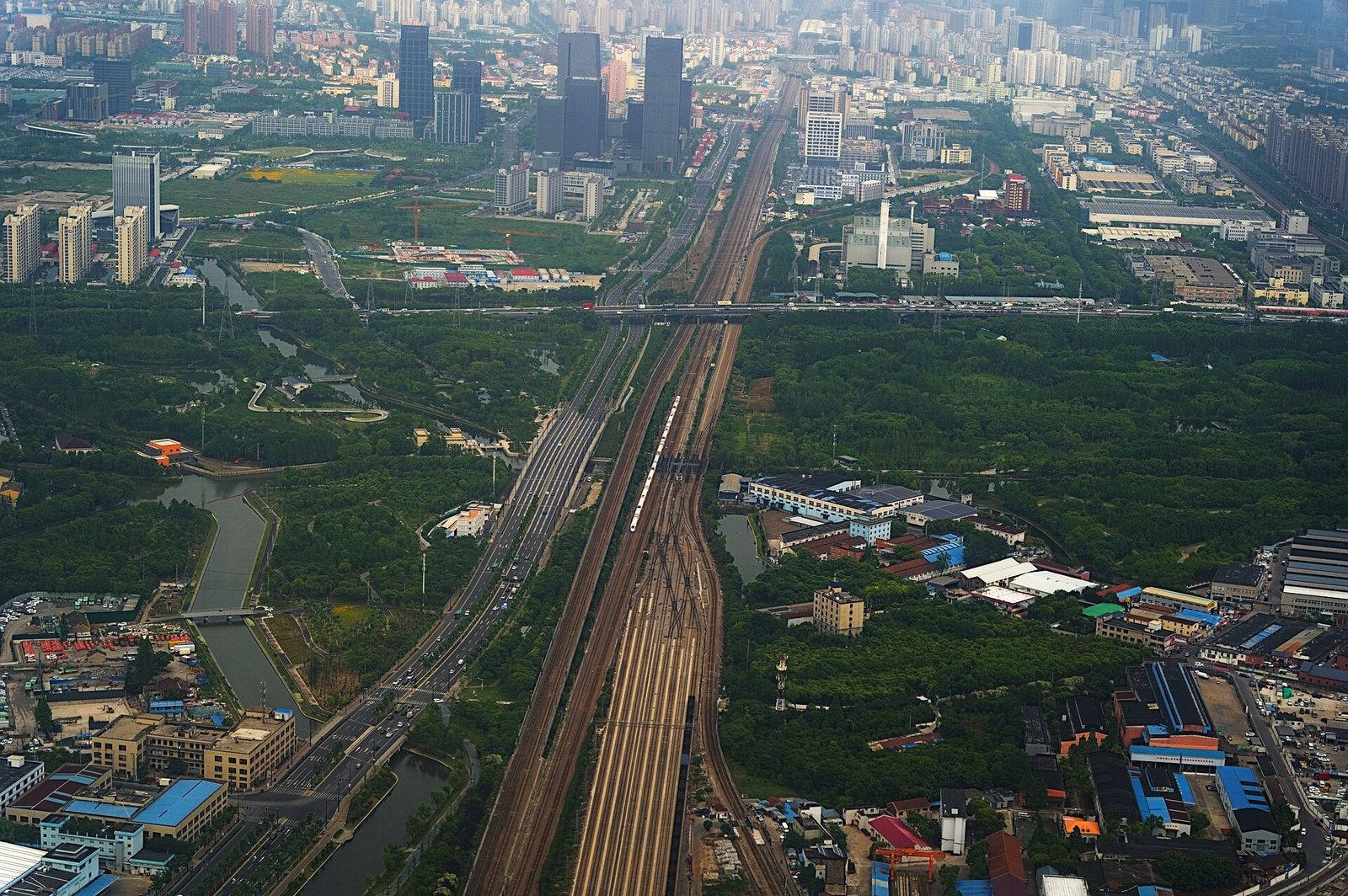
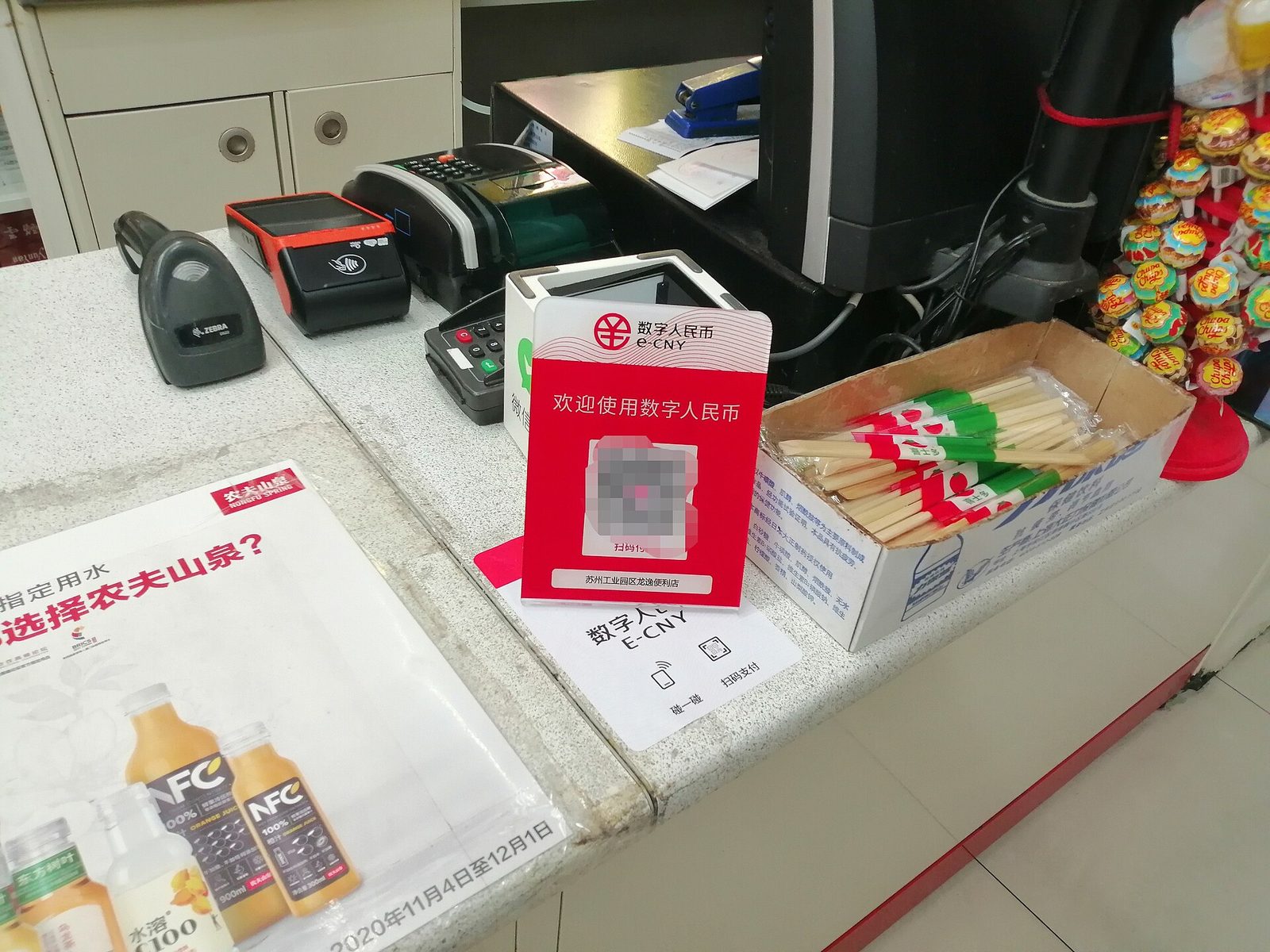
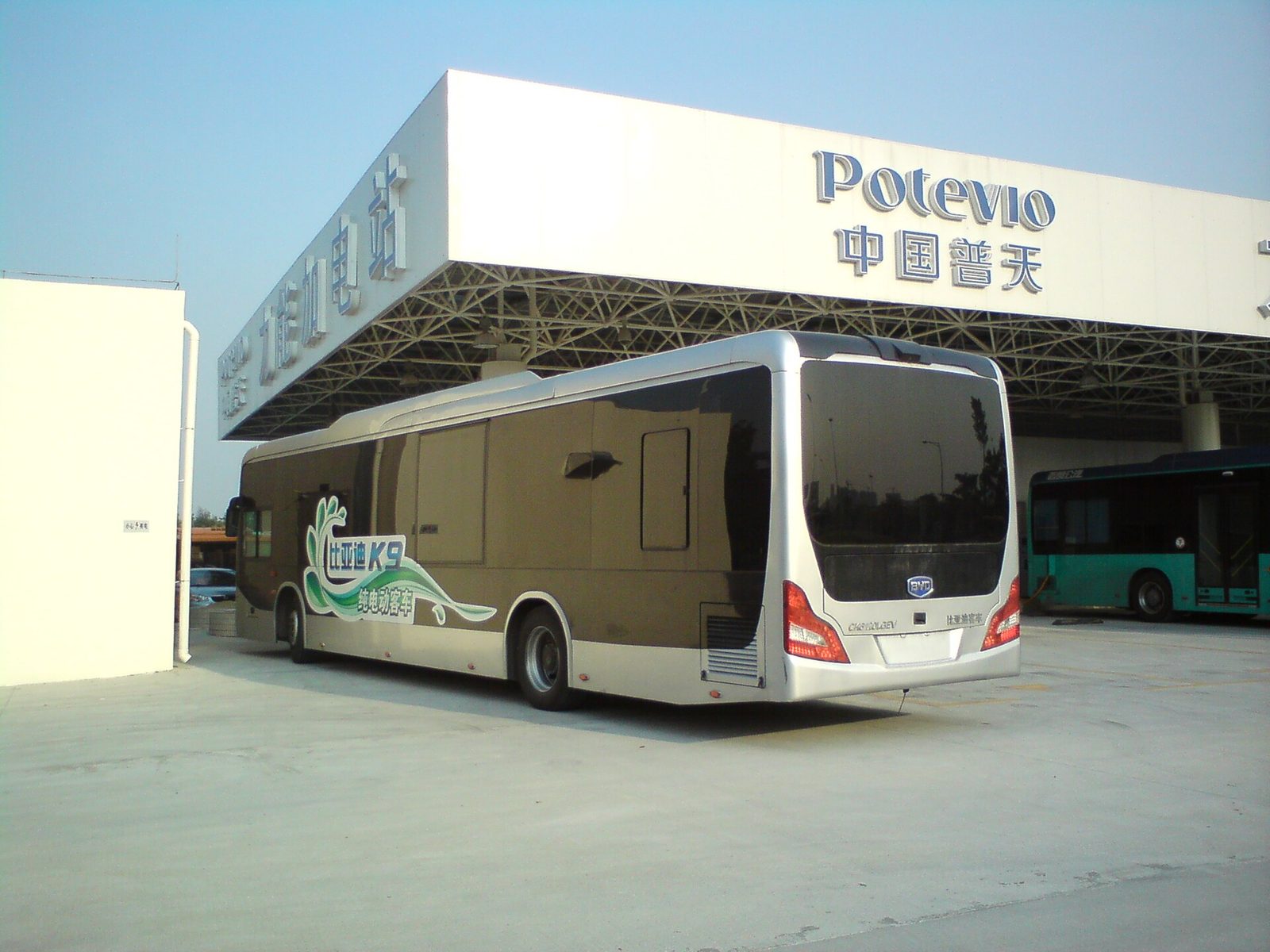
China runs the world's largest high-speed rail network, the largest electric-vehicle market and the busiest delivery system anywhere. Mobile payment is so standard that many shops no longer keep cash.
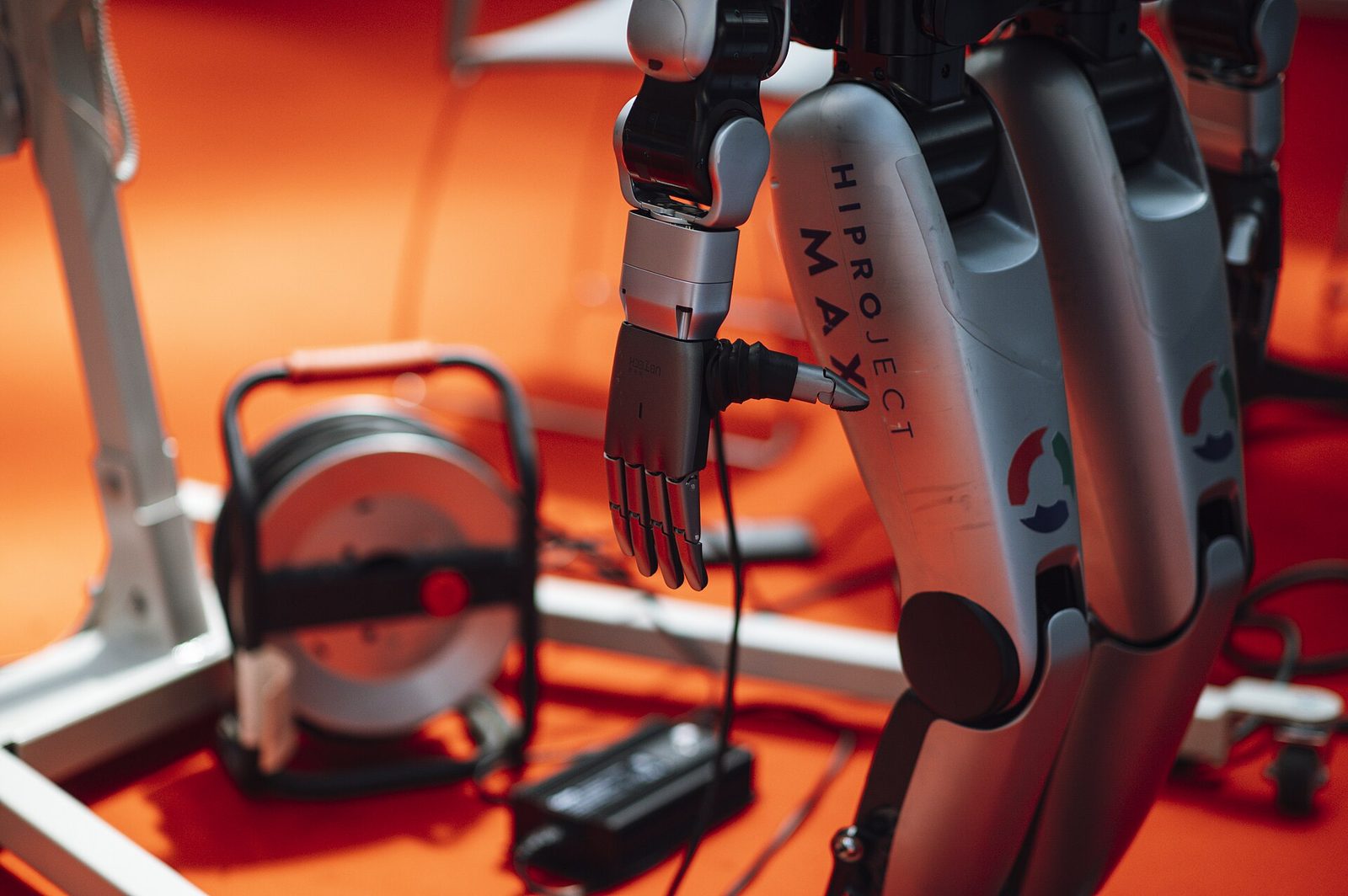
For students this is not a museum exhibit. You will pay, travel, order and register for everything with a phone, and engineering or computer-science students will be studying next to the companies doing the work.
Economy: the partner behind a lot of your country's trade
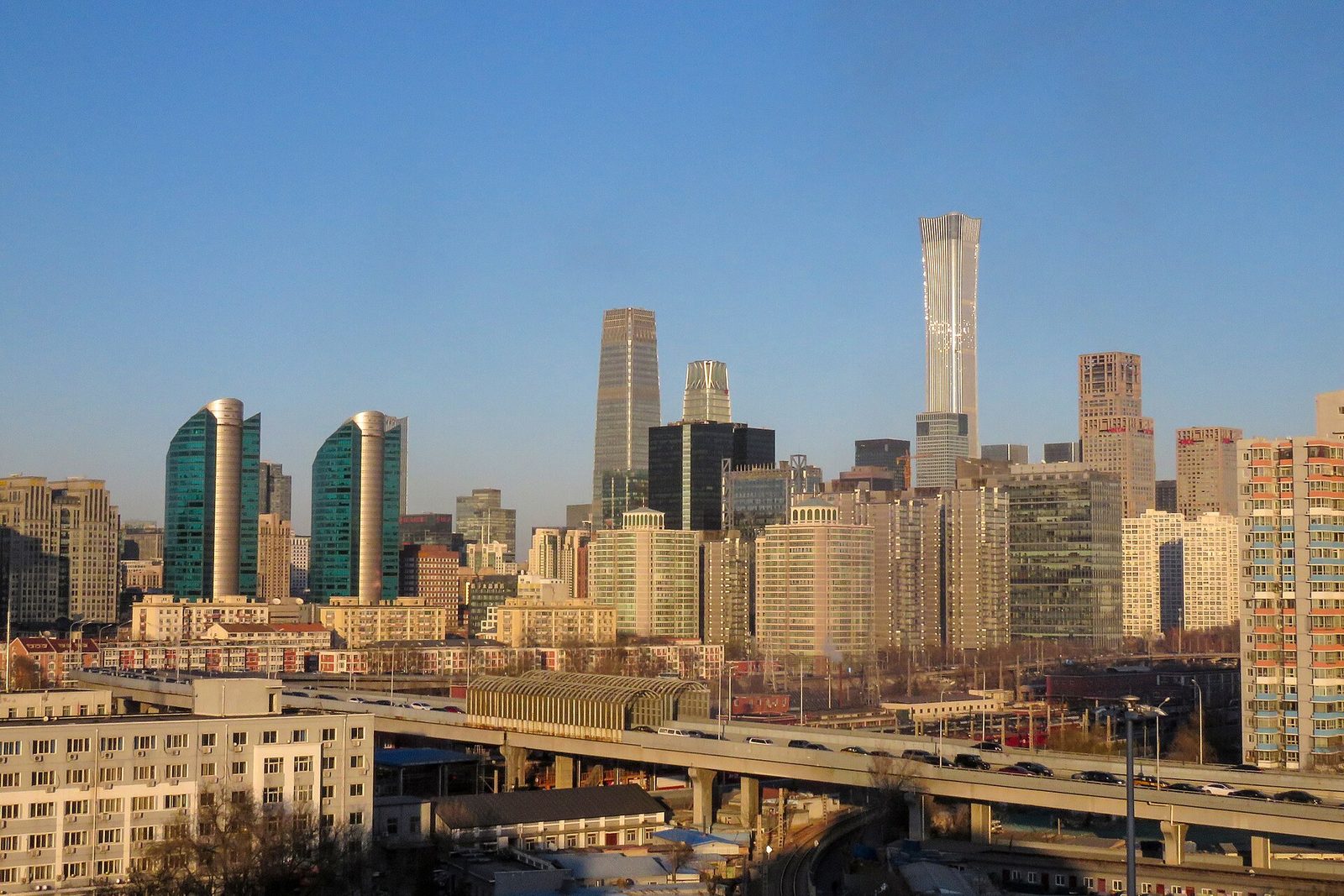
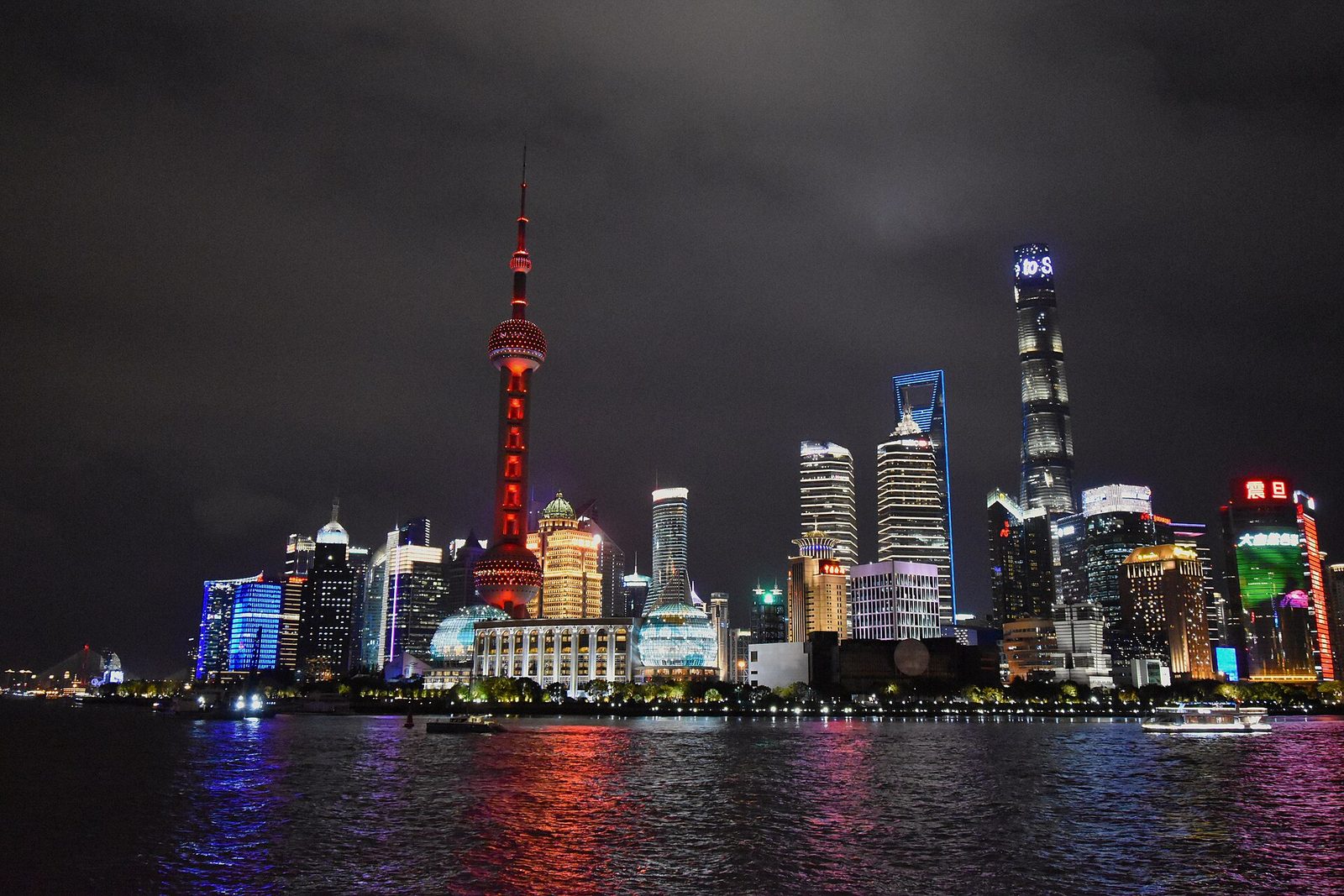
China is the world's second-largest economy and the largest trading partner of most countries in Africa, Central Asia and Southeast Asia. That trade needs people who can work in both languages and both business cultures — which is precisely what a graduate who studied here offers.
The visible side is Shanghai, Shenzhen and Beijing. The side that hires is manufacturing, logistics, energy and construction companies running between China and your home country.
Research first, then verify at the source
VisChat is an independent information and data site. Compare programmes here, then use current university and government pages to confirm the details that apply to you.
Research first, then verify at the source Browse universities
Photo credits
Photographs on this page come from Wikimedia Commons contributors and are used under CC0, CC BY or CC BY-SA licences. Attribution, licence and source for every image are listed in the site credits file.