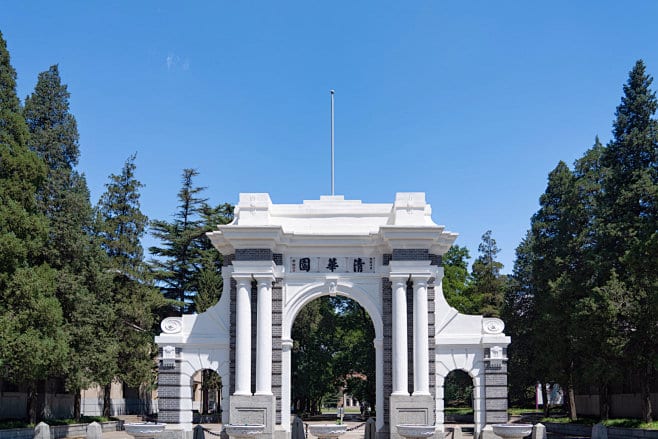
 #1 of 812
ShanghaiRanking 2025 2025
Tsinghua University
清华大学 · Beijing
Explore the university →
China is one of the largest study destinations in the world, and the reasons are practical rather than romantic: thousands of universities, scholarships that actually exist, a cost of living below Western levels, safe cities and a job market that runs on China trade. Here is what makes the country attractive — and what to check before you commit.
These are publicly reported national figures, shown for orientation. Requirements, deadlines and rankings change every year — always confirm the current numbers for your intake.
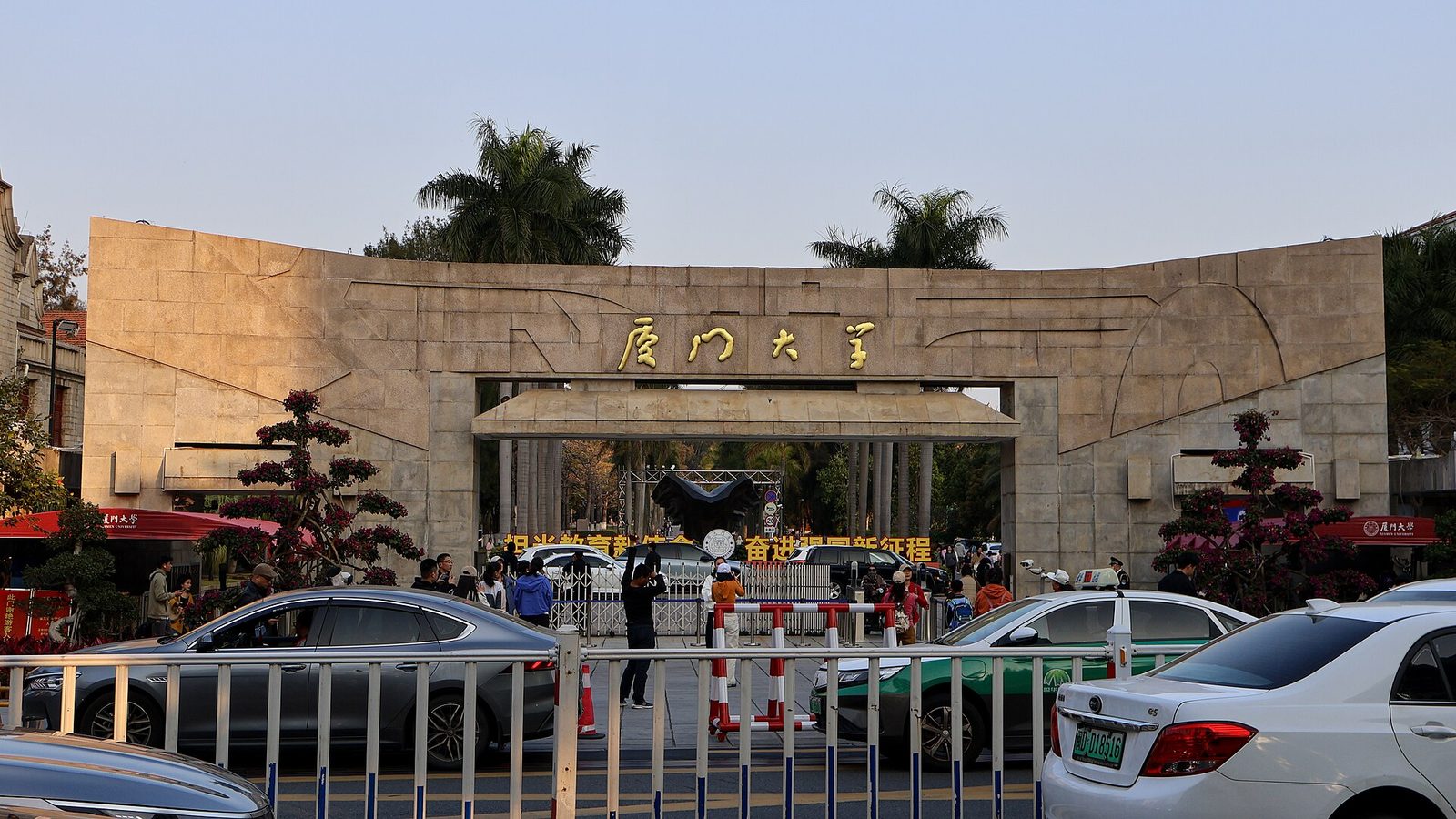
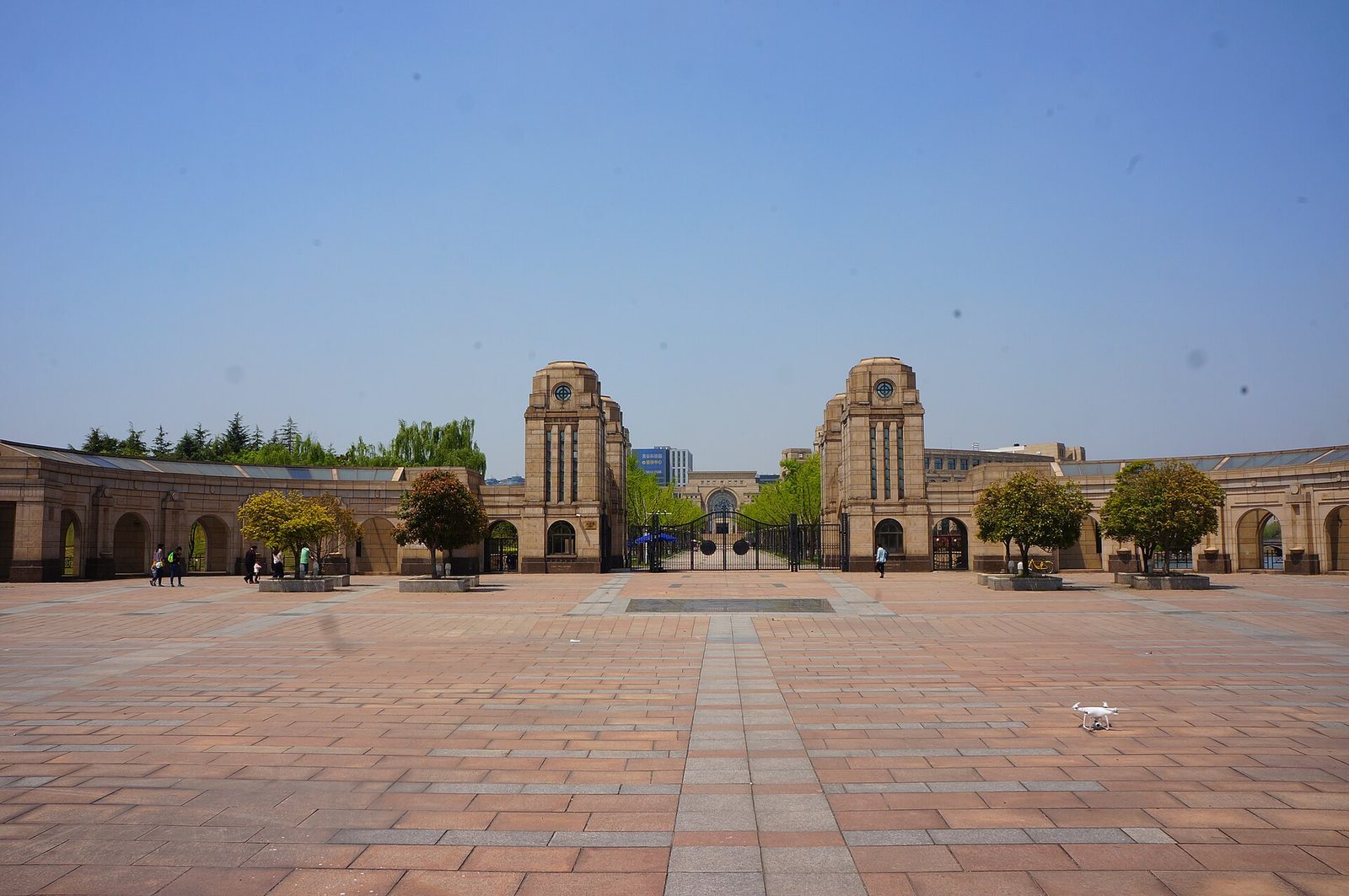
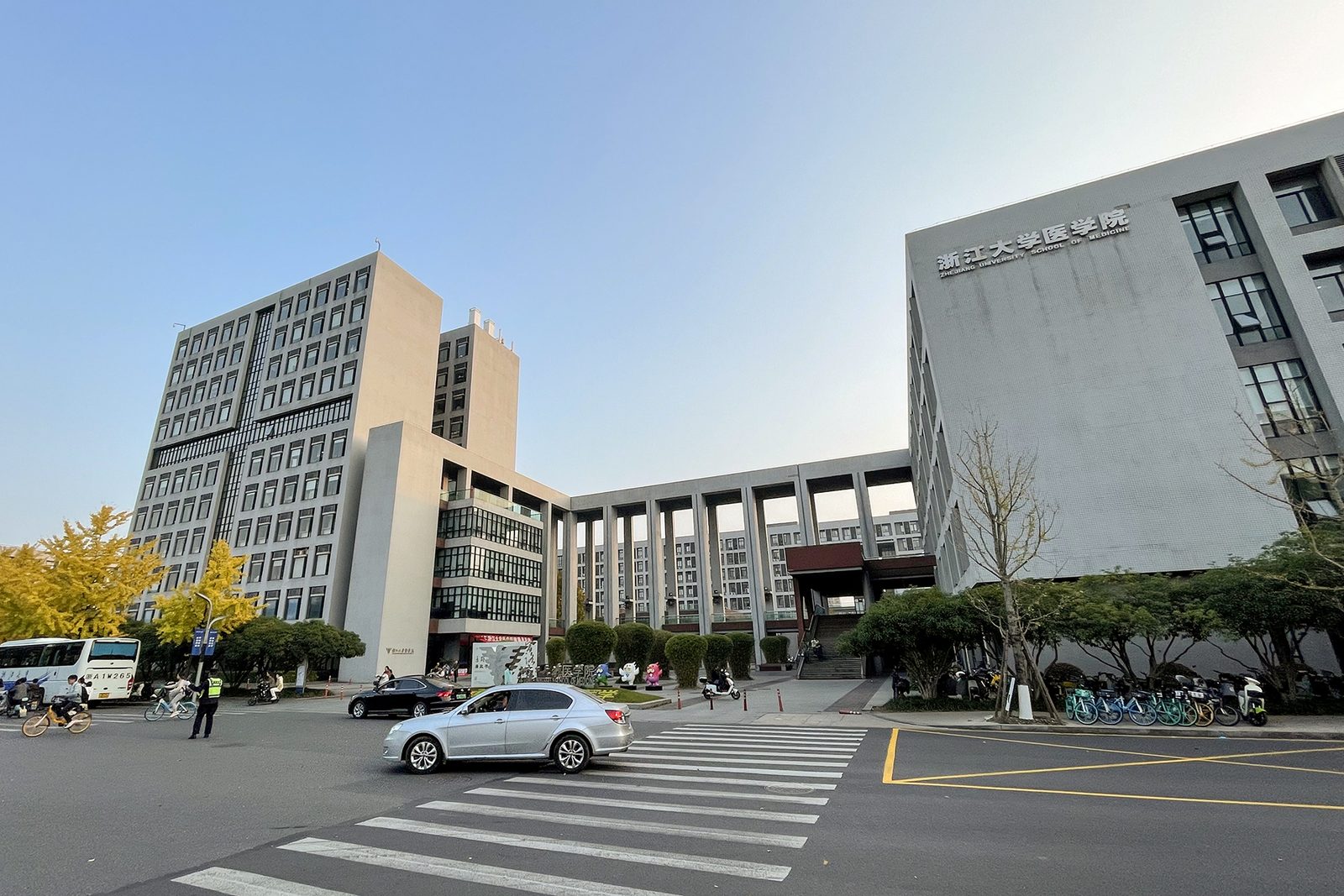
Large green campuses, historic gates, modern laboratories and student neighbourhoods are part of the everyday study experience.
Tsinghua University Beijing · 清华大学 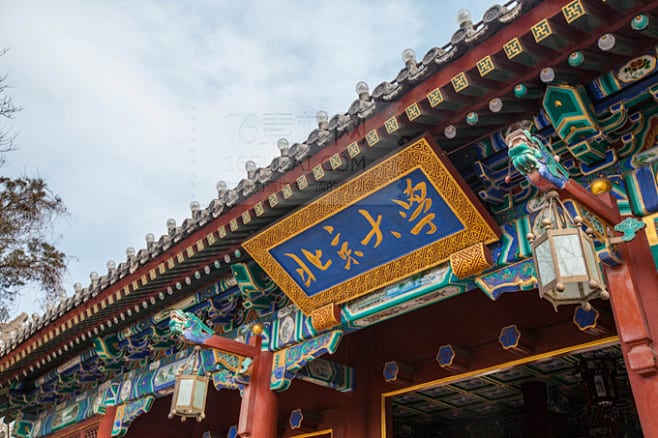 Peking University Beijing · 北京大学
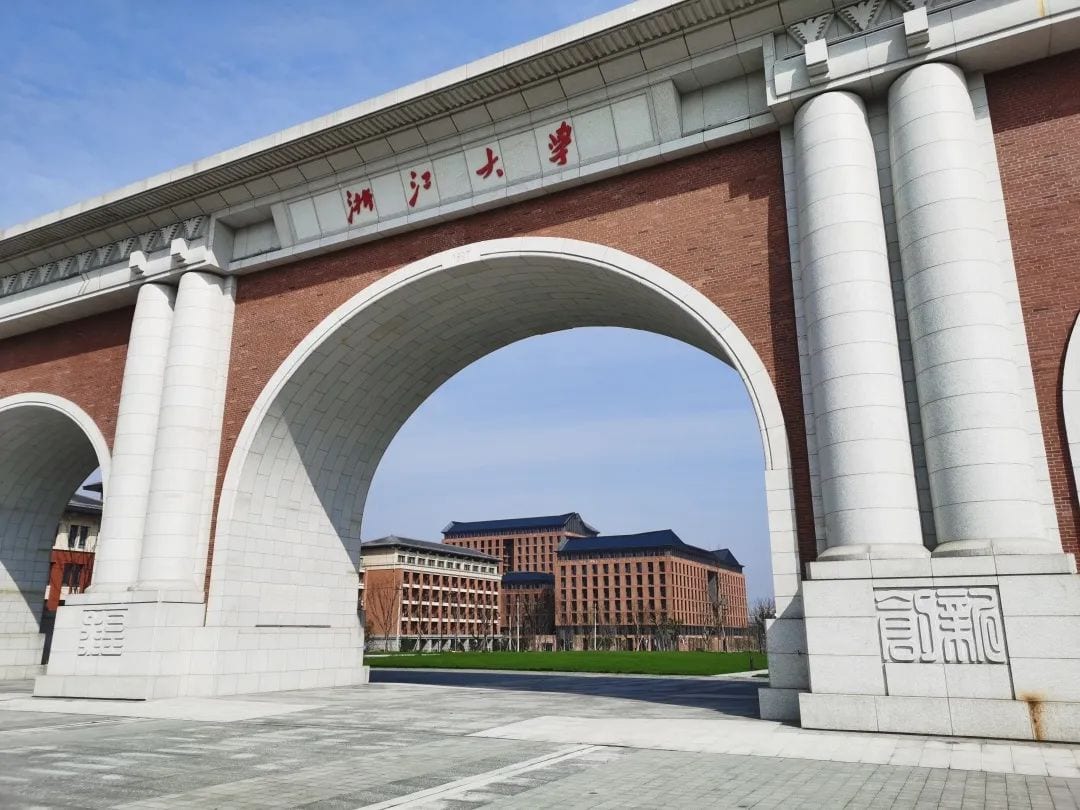 Zhejiang University Hangzhou · 浙江大学
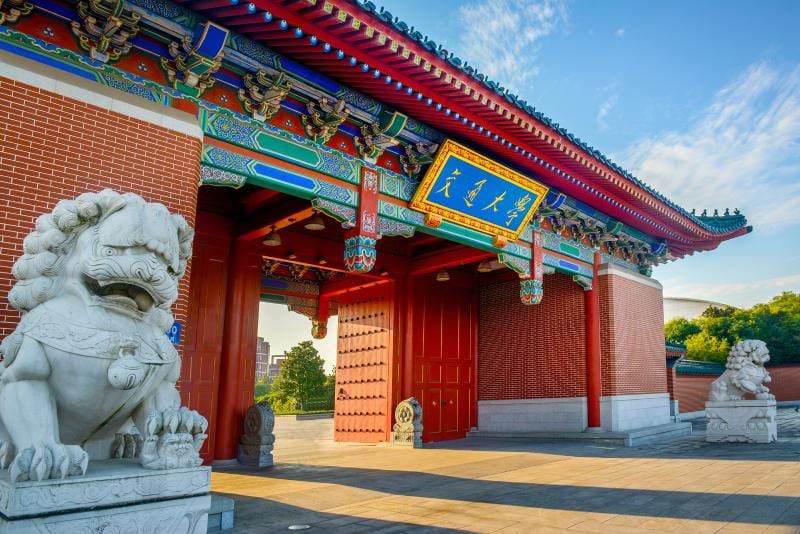 Shanghai Jiao Tong University Shanghai · 上海交通大学
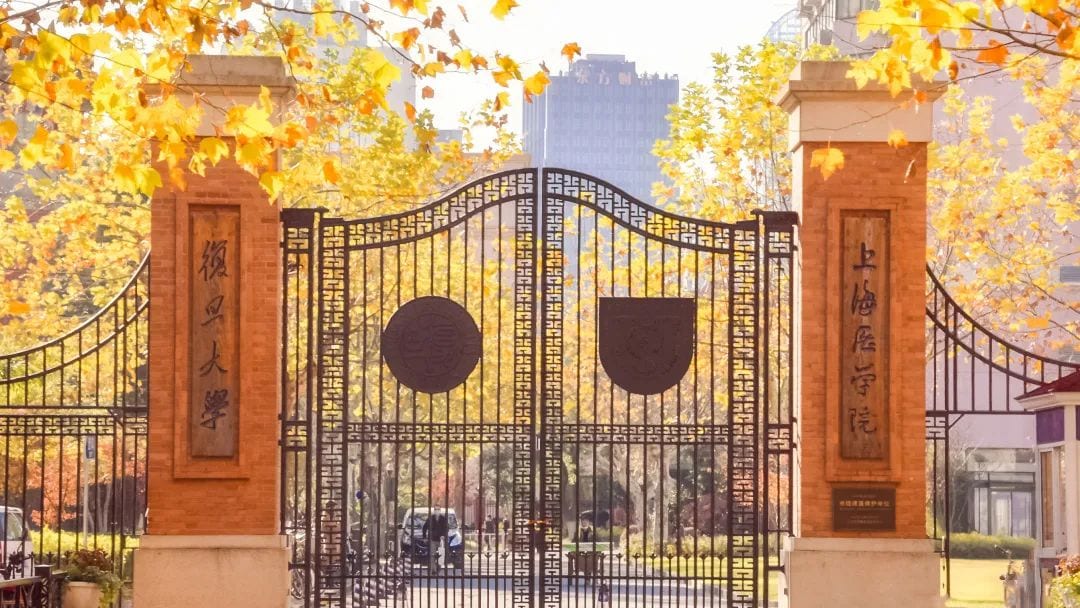 Fudan University Shanghai · 复旦大学
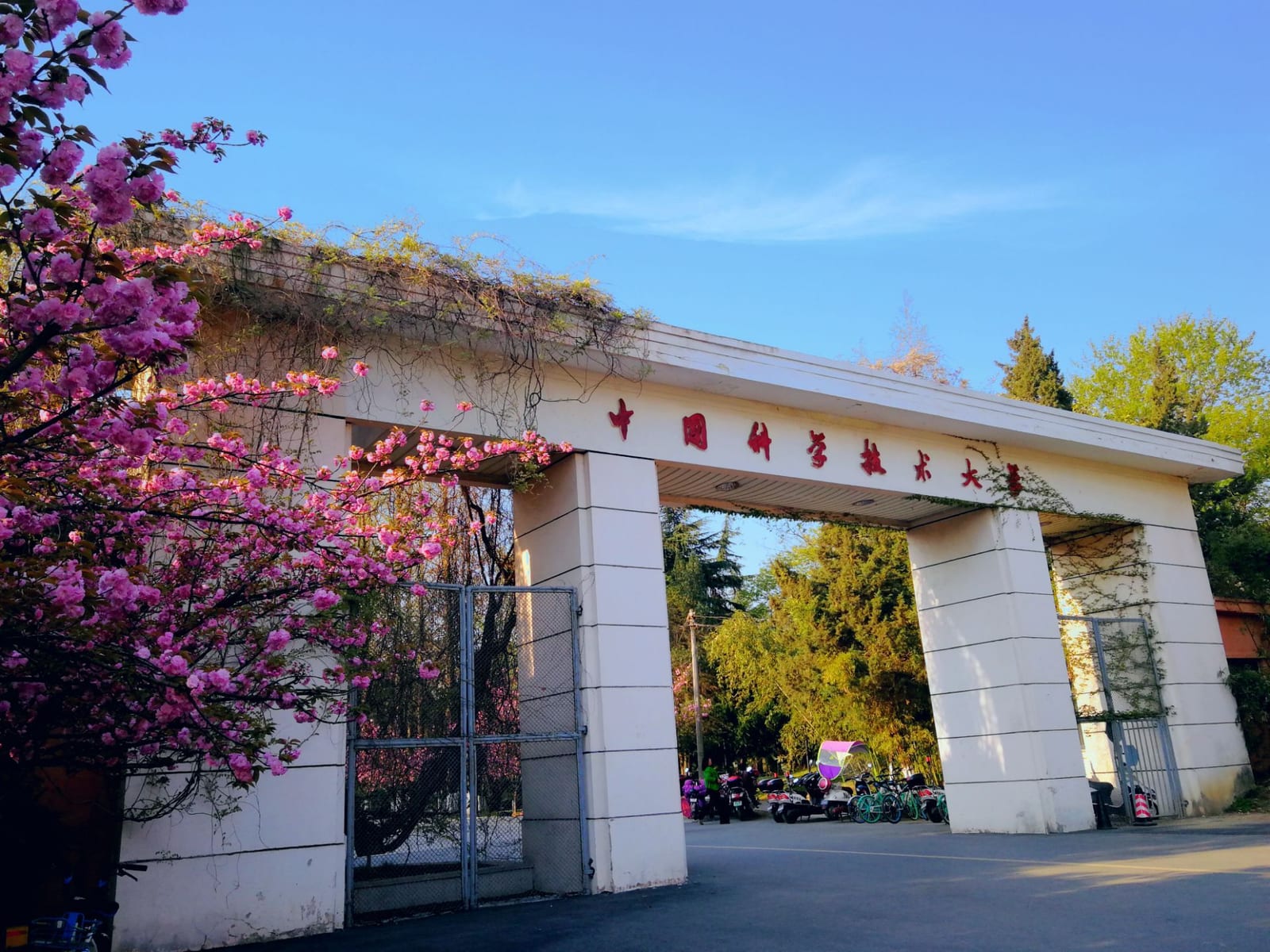 University of Science and Technology of China Hefei · 中国科学技术大学
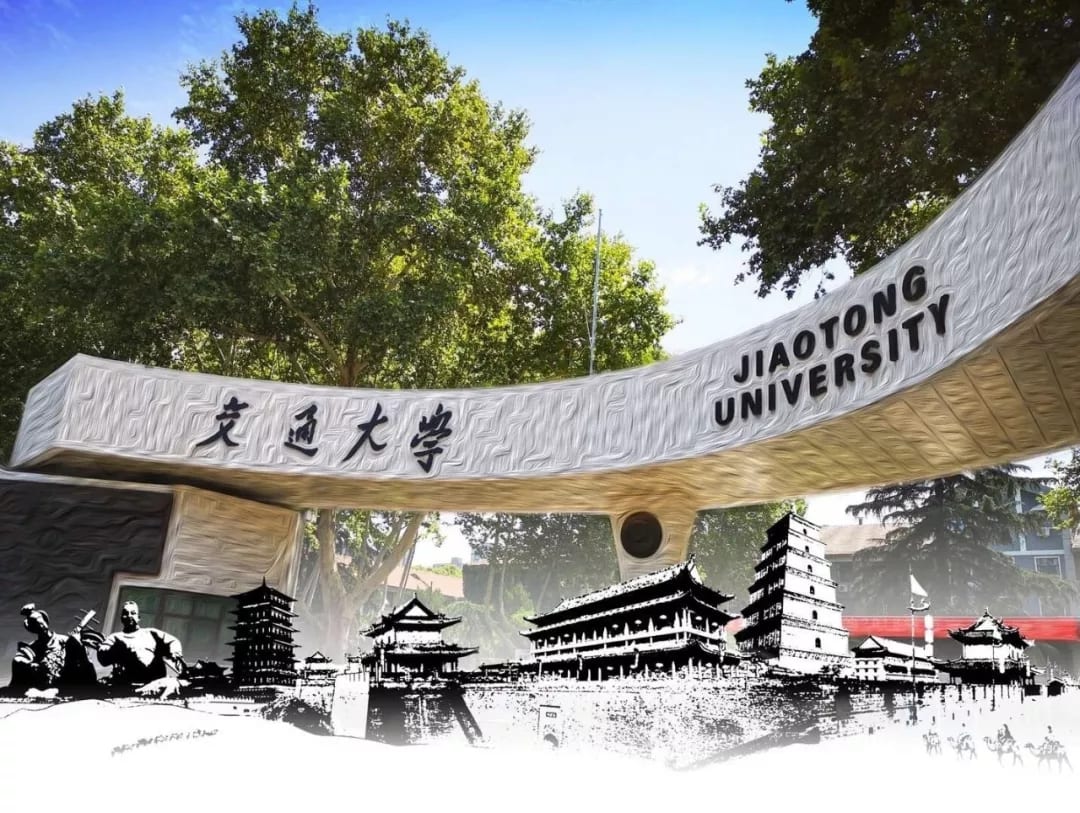 Xi'an Jiaotong University Xi'an · 西安交通大学
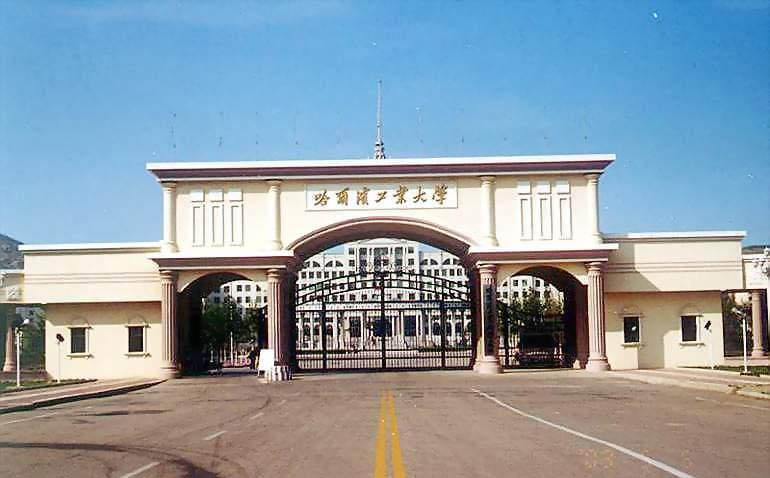 Harbin Institute of Technology Harbin · 哈尔滨工业大学
A photo-led look at eight research universities, their strongest subject areas and their position in the 2025 ShanghaiRanking of Chinese universities.
#1 of 812 ShanghaiRanking 2025 2025
清华大学 · Beijing
Explore the university →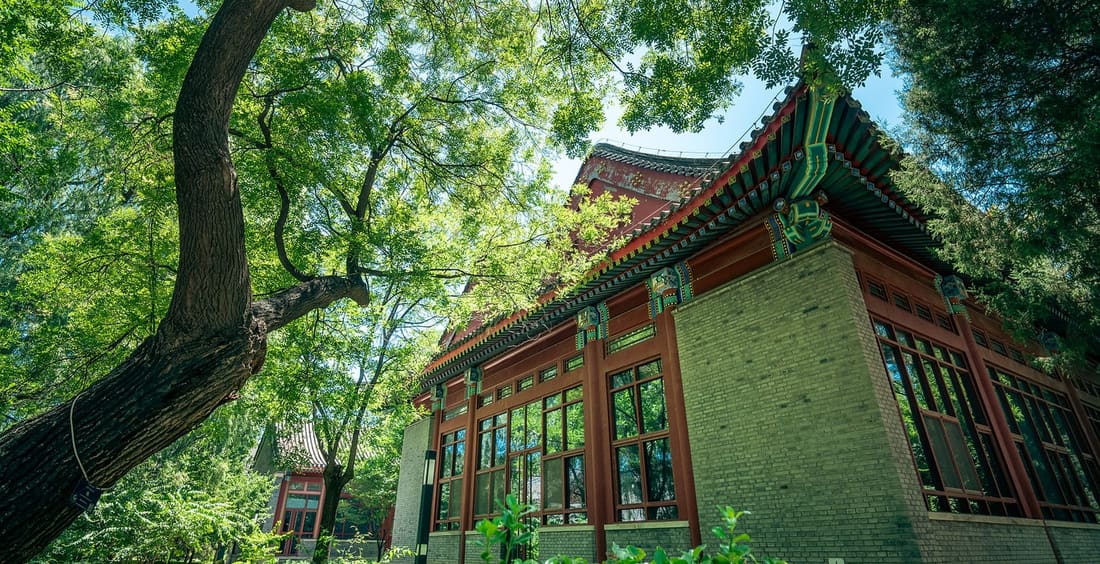 #2 of 812
ShanghaiRanking 2025 2025
北京大学 · Beijing
Explore the university →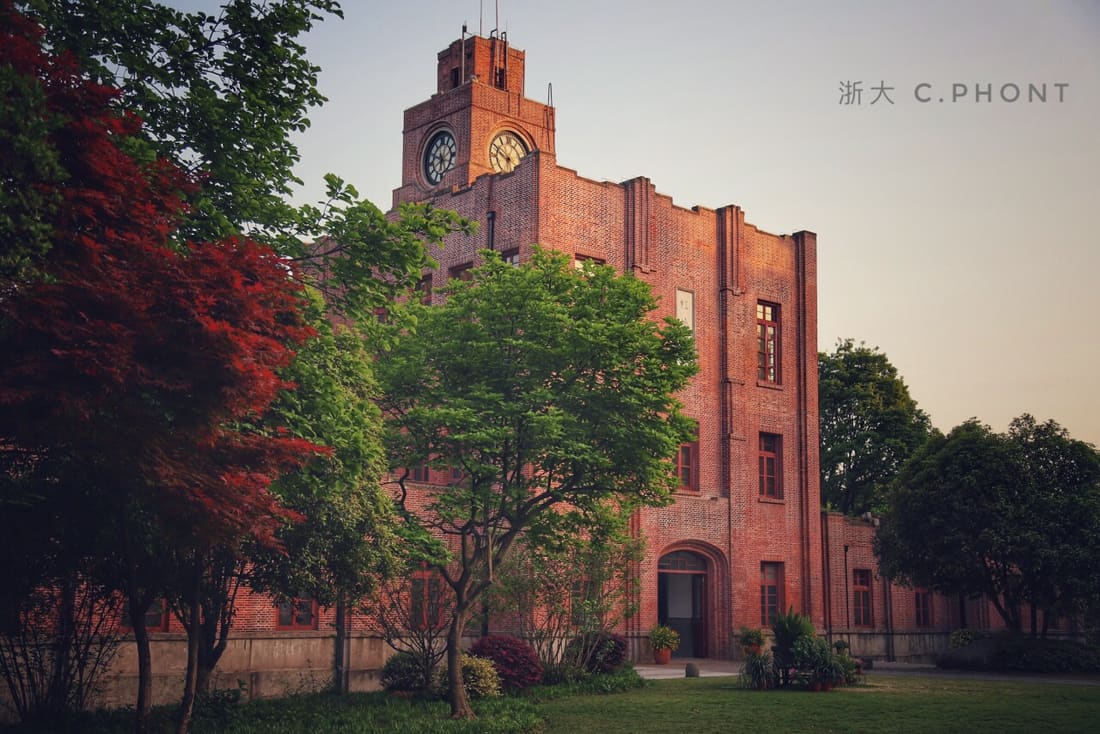 #3 of 812
ShanghaiRanking 2025 2025
浙江大学 · Hangzhou
Explore the university →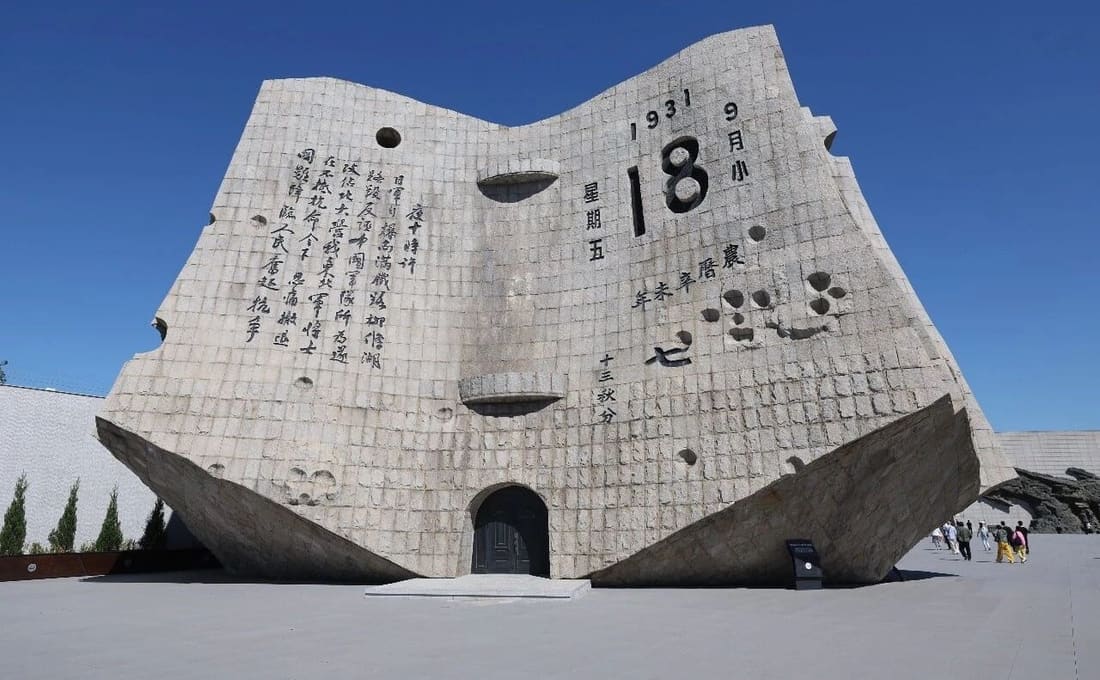 #4 of 812
ShanghaiRanking 2025 2025
上海交通大学 · Shanghai
Explore the university →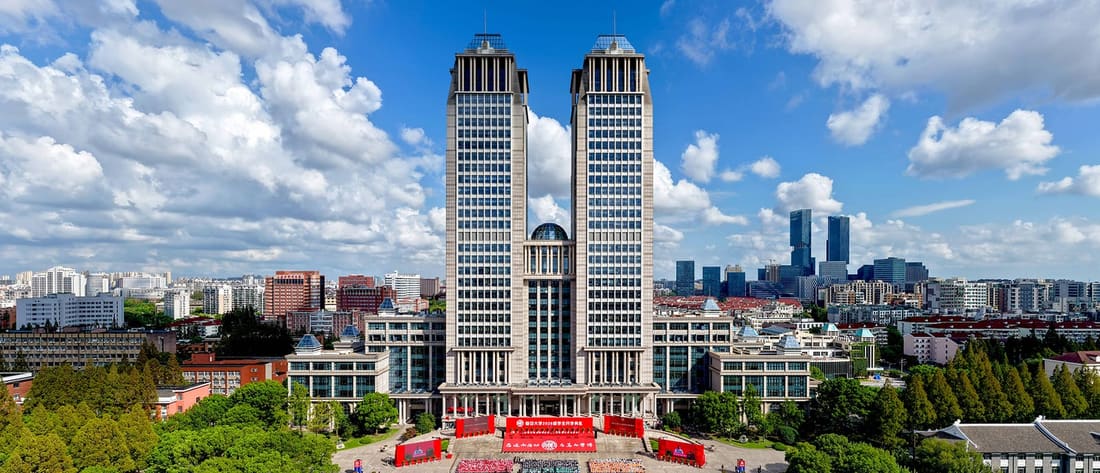 #5 of 812
ShanghaiRanking 2025 2025
复旦大学 · Shanghai
Explore the university →
#7 of 812 ShanghaiRanking 2025 2025
中国科学技术大学 · Hefei
Explore the university → #10 of 812
ShanghaiRanking 2025 2025
西安交通大学 · Xi'an
Explore the university →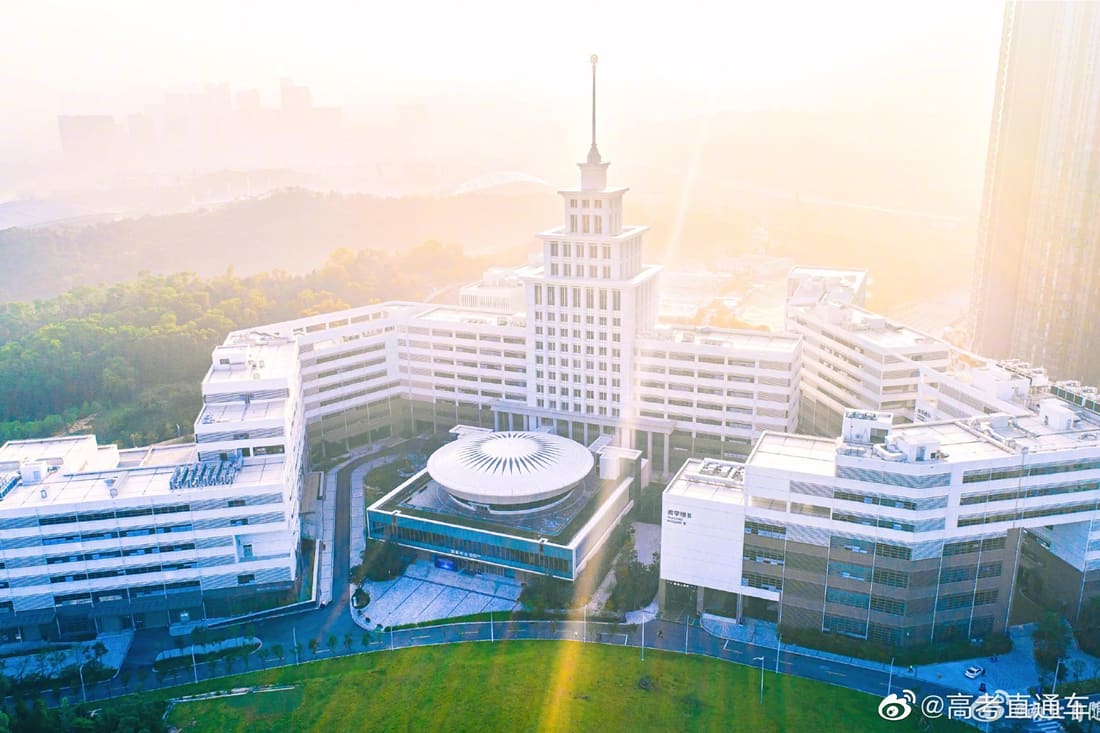 #14 of 812
ShanghaiRanking 2025 2025
哈尔滨工业大学 · Harbin
Explore the university →Campus photographs are stored locally and credited on each university page. Rankings use the published ShanghaiRanking 2025 list already used elsewhere on VisChat.
Chinese universities run thousands of degree programmes, and the strongest now sit alongside the best in Asia in global rankings. A Chinese degree is accepted for further study and for work in most countries.
The Chinese Government Scholarship (CSC), provincial awards and university scholarships each cover a different share of tuition and living costs. Deadlines are fixed and usually early.
Tuition, dormitory rent and daily living costs are a fraction of Western prices, and cities outside Beijing and Shanghai are cheaper still.
Medicine, engineering, computer science, business and international relations are all available in English at many universities — though learning some Chinese changes your daily life.
Violent crime is rare, metros run late, and getting across a city costs very little. Parents usually care about this more than students do.
Companies trading with China need people who understand both sides. Graduates who speak Chinese and know the market are in demand across Africa, Central Asia and the Middle East.
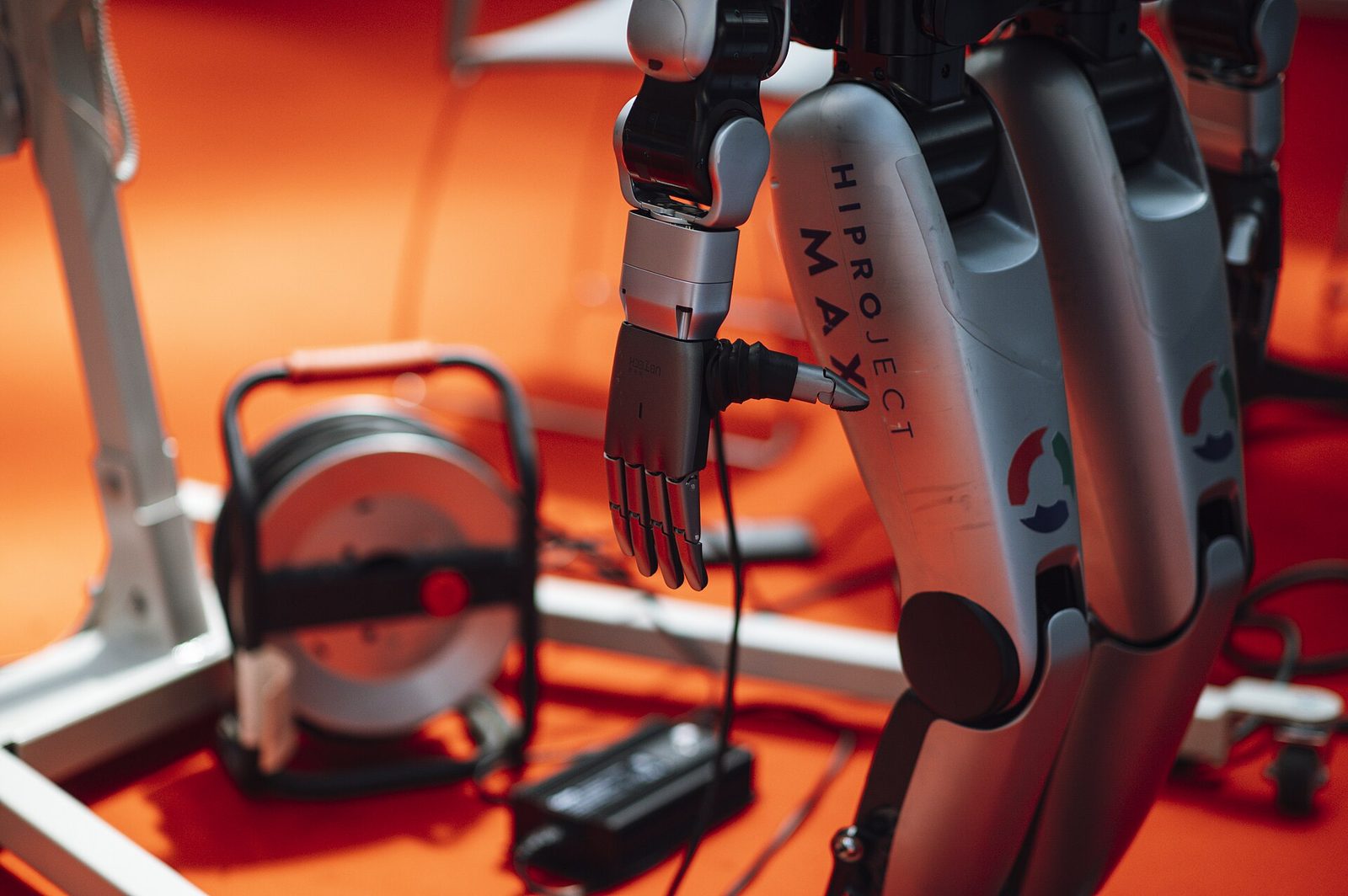
Mobile payments, high-speed trains, electric vehicles, drones, e-commerce and robotics are not exhibition pieces here — they are ordinary life.
Eight great cuisines, night markets, festivals, and weekend trips to mountains, rivers and historic cities that other people fly across the world to see.
Pay with a phone, order food at midnight, take a train at 350 km/h. Students who spend a year here notice it when they go home.
Chinese is an asset for the next twenty years, and living in the country is the fastest way to learn it — even one year of study moves you far.
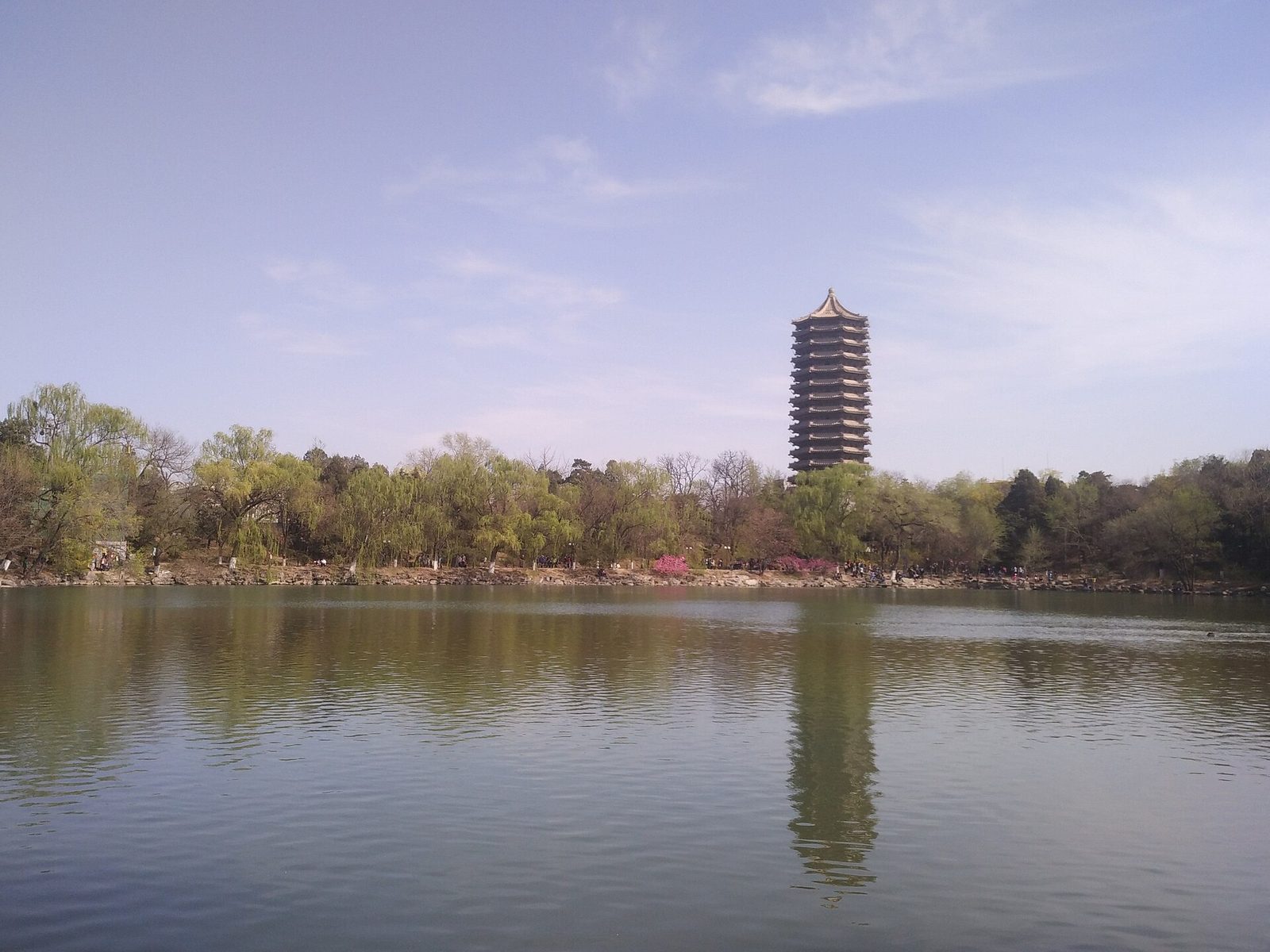
Most Chinese universities are self-contained: teaching buildings, libraries, canteens, sports grounds, clinics and dormitories on one site, usually with a lake, a wooded path or a formal gate somewhere in the middle. The biggest campuses are the size of a small town and have their own bus routes.
International students usually live in a separate dormitory block, close to the canteens and a short walk or bike ride from the teaching buildings. Life on campus is busy, green and cheap — and because campuses are closed to traffic and patrolled, they are among the safest places in the city.

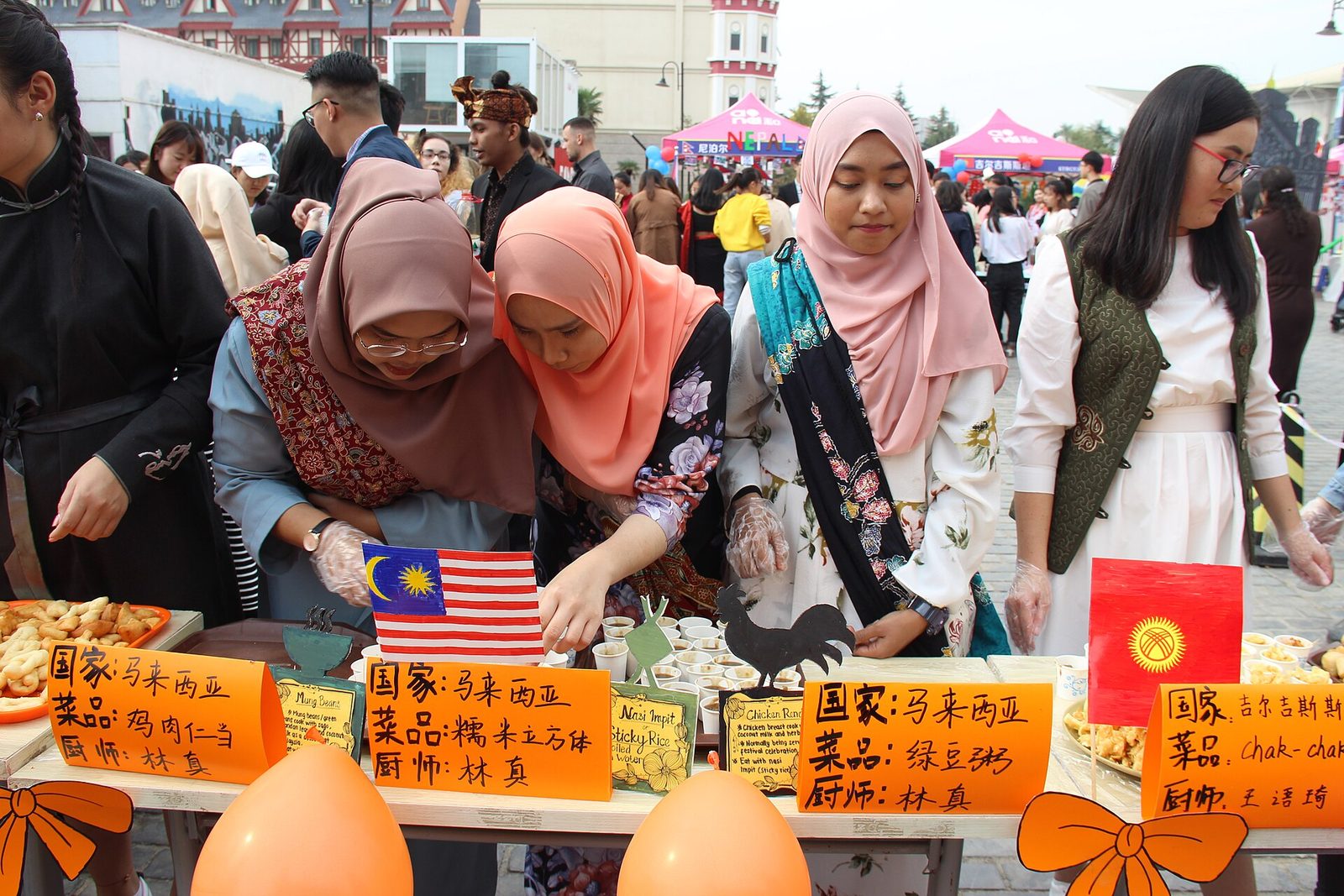
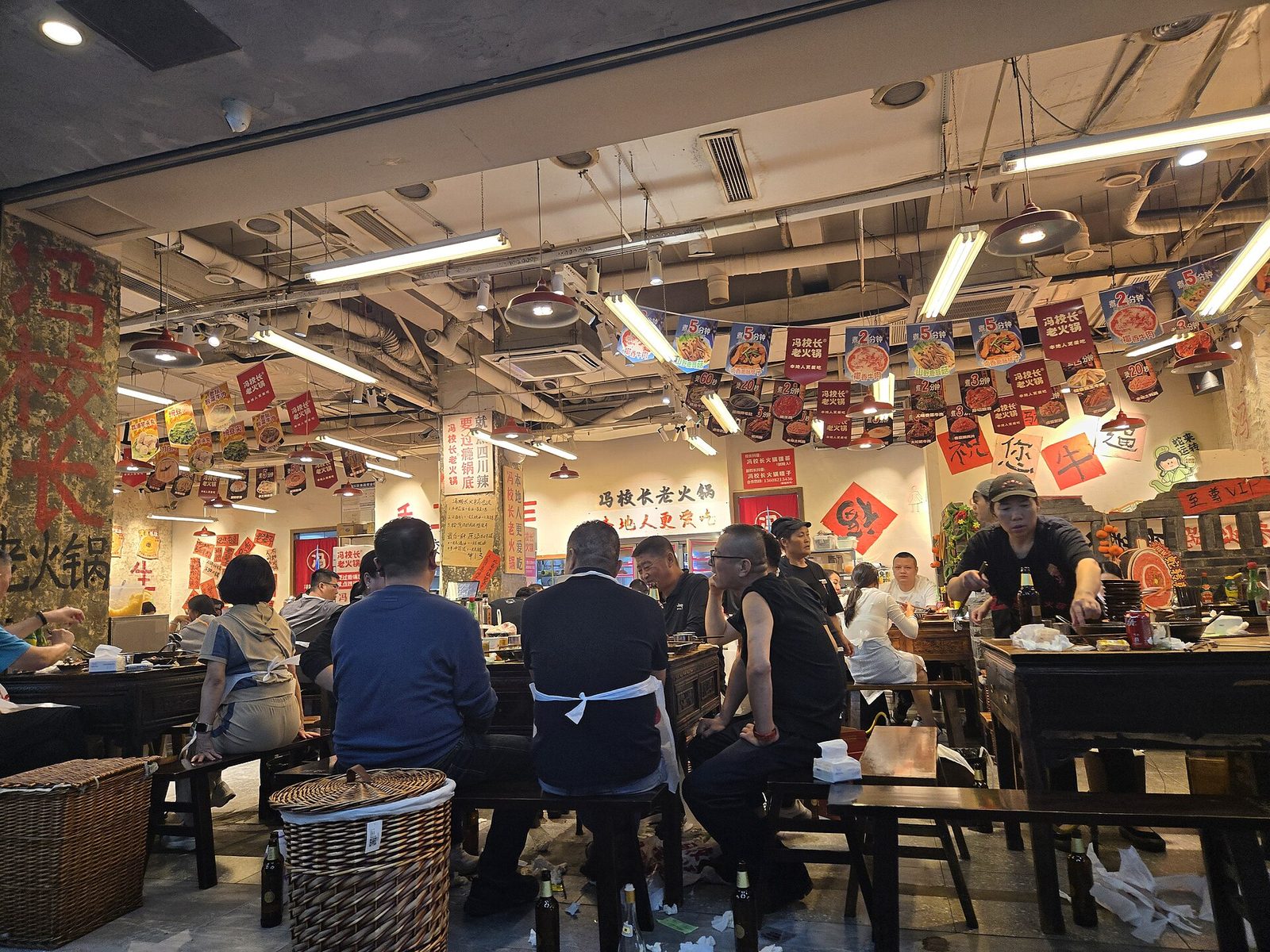
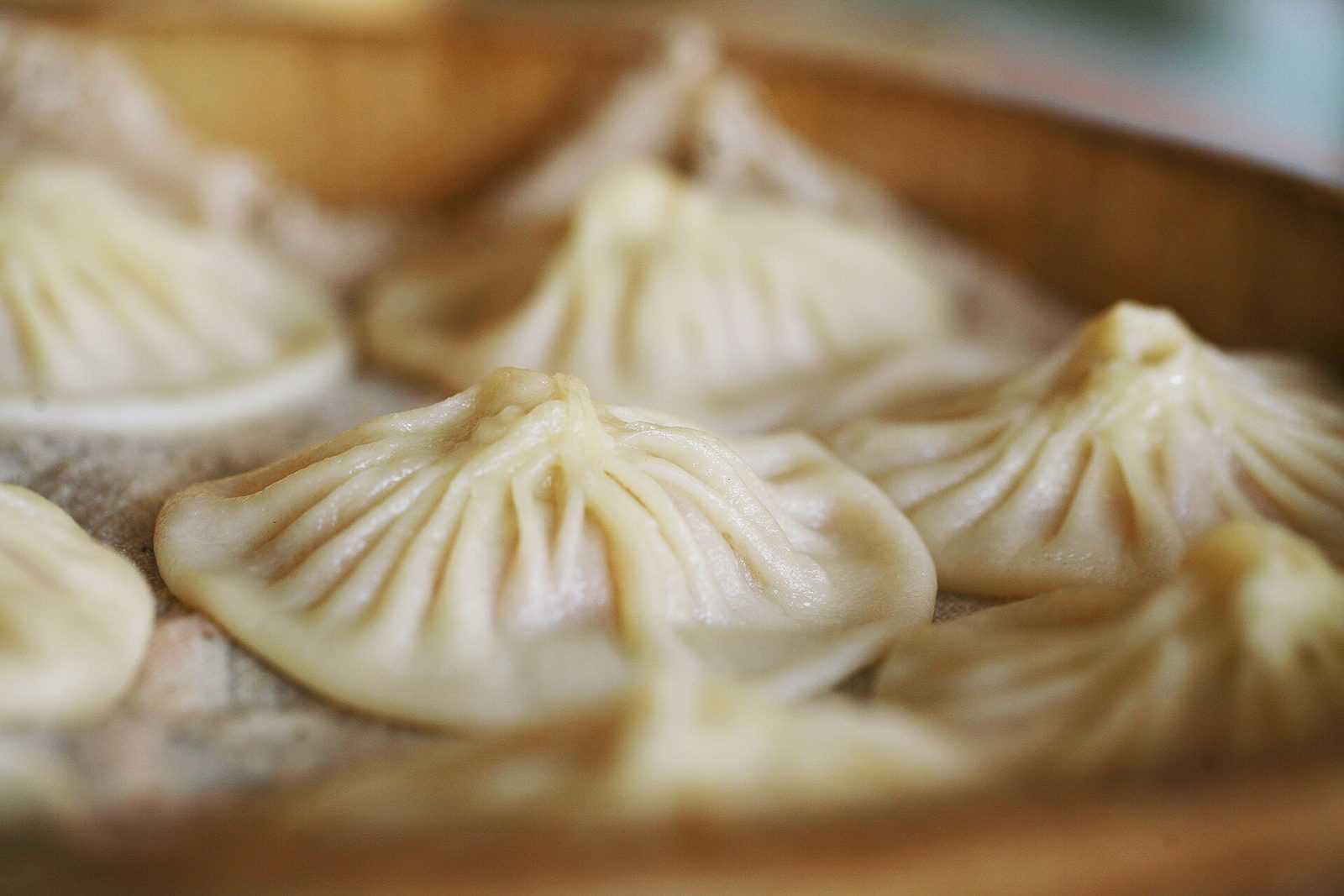
Chinese food is regional, not singular. Sichuan and Hunan are hot and numbing, Guangdong is light and steamed, the northwest is built on lamb, noodles and bread, and the coast runs on seafood. Studying in one city does not mean eating one cuisine — canteens serve several, and delivery brings the rest.
Student canteens are subsidised and cheap; street stalls and night markets fill up after evening classes; and every city has its own speciality worth travelling for. Vegetarian, halal and allergy-aware options exist, but you will need to explain them clearly — we cover this in our life-in-China guides.

China spans tropical beaches, karst river valleys, alpine plateaus and desert dunes. The Great Wall, the Li River around Guilin and the sandstone pillars of Zhangjiajie are the famous ones, but the point for students is distance: most of these are a train ride away, and student tickets are cheap.
Long holidays — National Day in October and Spring Festival — are when students travel. Booking early matters, because the whole country moves at the same time.



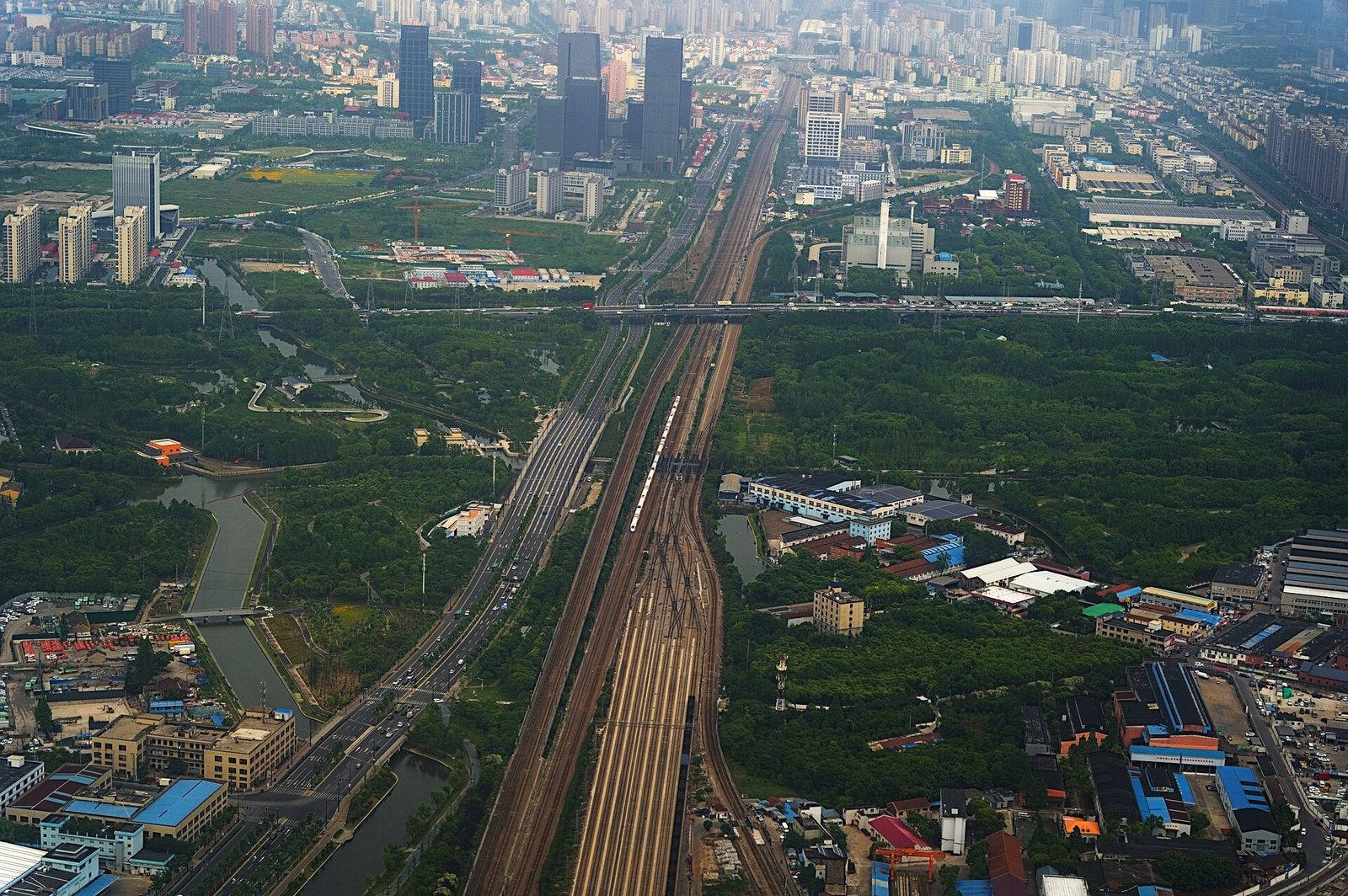
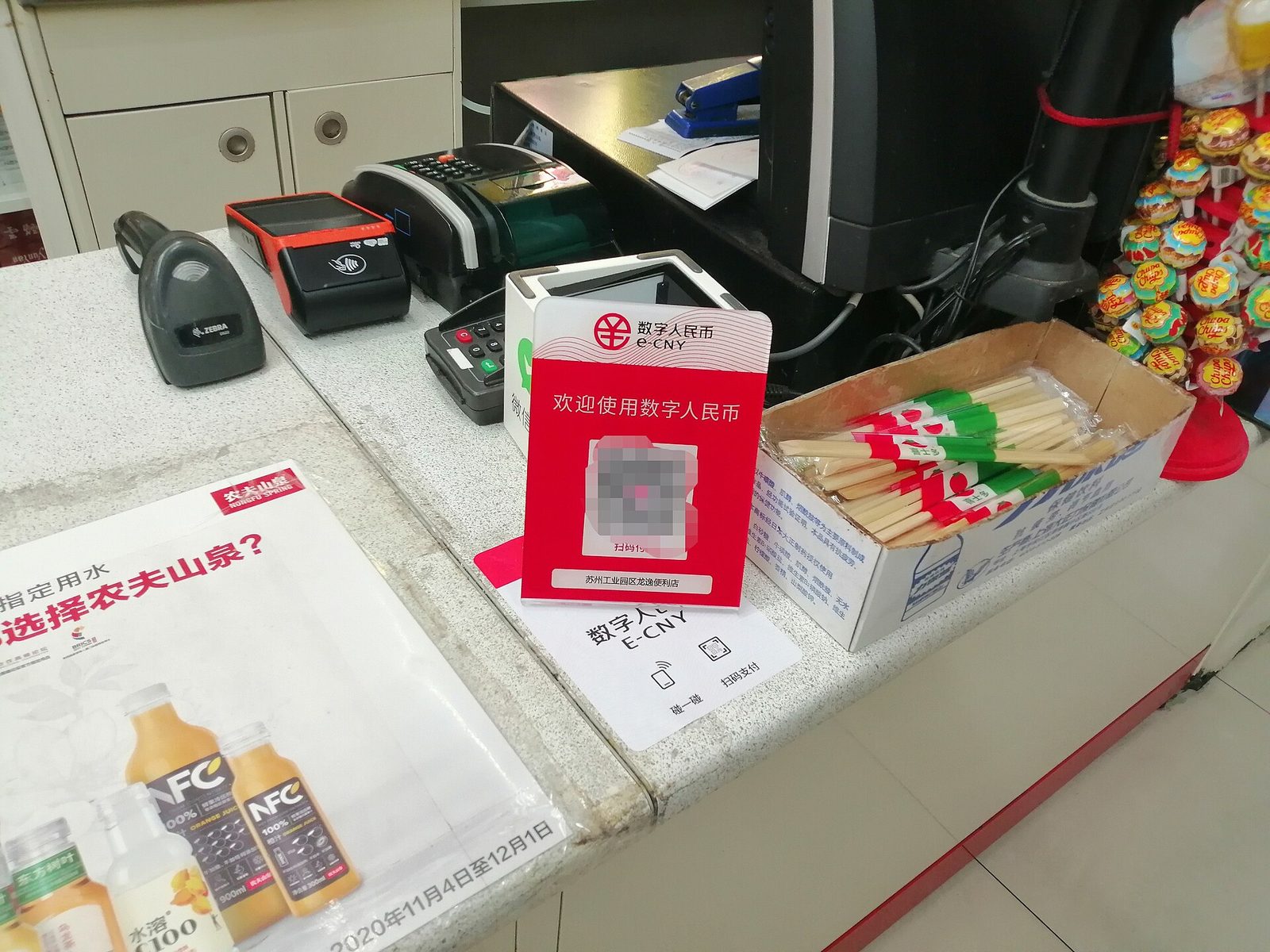
China builds and tests at a scale nobody else can match. It has the world's largest high-speed rail network, the largest electric-vehicle market, the busiest e-commerce and delivery systems, and a mobile payment habit so complete that many shops no longer keep cash.
For students this matters in two ways. First, engineering, computer science, AI and automotive programmes are taught next to the companies doing the work. Second, daily life becomes a demonstration: you pay, travel and order with your phone, and you see what large-scale infrastructure looks like from the inside.
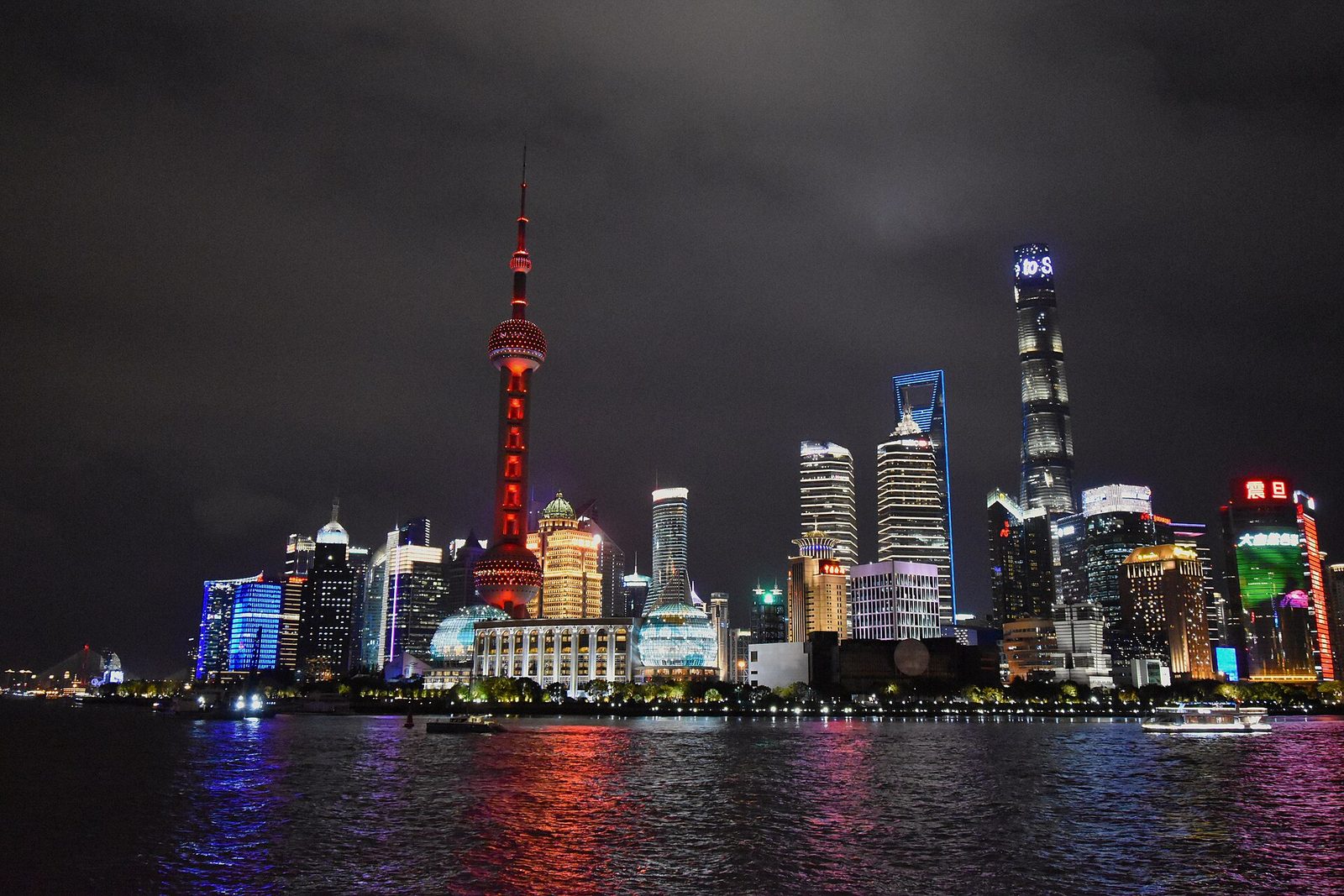
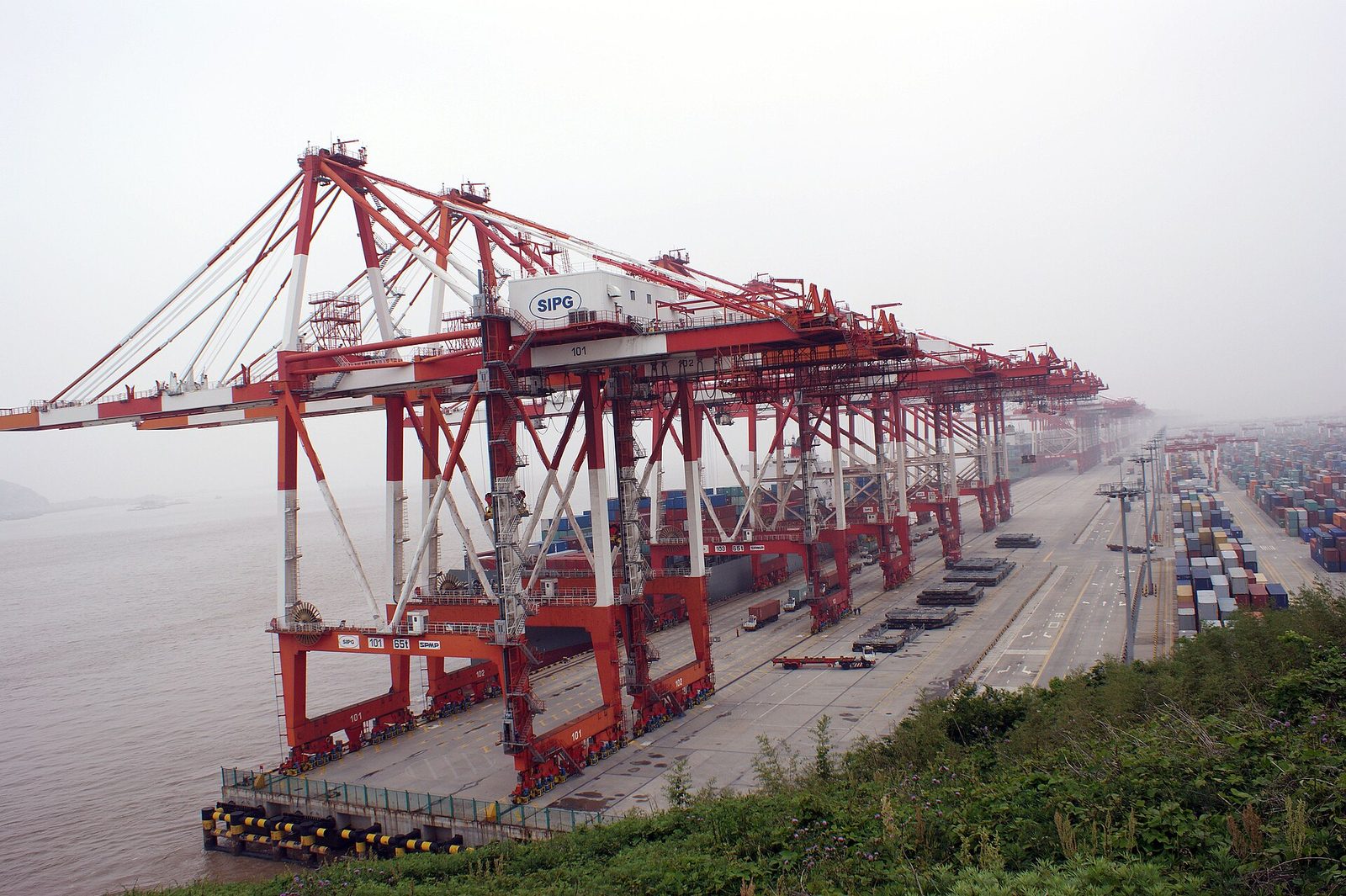
China is the world's second-largest economy and the largest trading partner of most countries in Africa, Central Asia and Southeast Asia. That trade needs people on both sides who can negotiate, translate and manage logistics — which is exactly where international graduates with Chinese language skills fit.
Cities such as Shanghai, Shenzhen and Guangzhou are the visible face of it, but the wider point is employment: manufacturing, e-commerce, energy, construction and logistics companies operating between China and your home country hire people who studied here.
Not for English-taught programmes, but daily life is much easier with basic Chinese. Most universities also run one-year language courses for students who want to switch to Chinese-taught study later.
Costs depend on the city, the university and whether you have a scholarship. Our Life in China section breaks down tuition, dormitory, food and transport so you can build your own estimate.
CSC, provincial and university scholarships are open to most nationalities, with different quotas and deadlines. See the Scholarships section for how each one works.
Violent crime is rare and campuses are closed, patrolled and well lit. The realistic risks are traffic, scams aimed at newcomers and losing documents — all covered in our safety guide.
Three to six months before the deadline. Translations, notarisation, medical checks and language tests all take time, and missing one document can cost you a whole year.
VisChat is an independent information and data site. Compare programmes here, then use current university and government pages to confirm the details that apply to you.
Campus, food, landscape, technology and economy photographs on this page come from Wikimedia Commons contributors and are used under CC0, CC BY or CC BY-SA licences. Attribution, licence and source for each image are listed in the site credits file.